
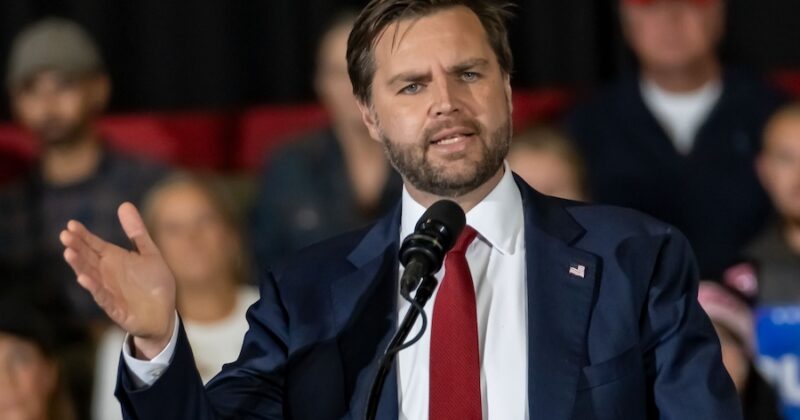
Vice President JD Vance departed Islamabad on Sunday, emphasizing that the U.S. and Iran remain far from agreement regarding a critical issue: ensuring that Tehran is never able to develop nuclear weapons, neither now nor in the future.
Emerging details indicate that what the Trump administration defines as a “long term” agreement may be more limited than originally thought.
Insider reports reveal that U.S. negotiators suggested a 20-year suspension of Iran’s nuclear activities rather than a permanent prohibition. This approach could allow Iran to maintain its claim under the Nuclear Nonproliferation Treaty to produce nuclear fuel.
Tehran, however, has not yet accepted this proposal.
Iranian representatives have offered a significantly shorter timeframe, suggesting a halt in nuclear activities for up to five years. This proposal echoes previous negotiations that fell apart in February, shortly before President Trump authorized strikes against Iran.
This persistent disagreement over timelines highlights the ongoing challenge of Iran’s nuclear aspirations and its reluctance to dismantle its infrastructure or export its fuel stockpiles.
Despite these differences, analysts in Washington view the fact that both parties are negotiating timelines as a hopeful indicator that a deal might be possible. Discussions for another round of in-person talks are reportedly in the works.
However, any potential agreement may come with challenges for Trump.
The former president famously criticized the previous Obama-era nuclear deal, the Joint Comprehensive Plan of Action, calling it “horrible” and “one-sided.” One of his primary objections was the deal’s gradual easing of restrictions on Iran’s nuclear program, which could allow limits to expire entirely by 2030.
The current proposal risks facing similar scrutiny.
In contrast to the Obama agreement, a complete suspension could provide a temporary halt to Iran’s nuclear operations, potentially offering years of additional time for the U.S., possibly extending beyond Trump’s administration.
“If they can secure a suspension for even a few years, that would be better than what we achieved with the J.C.P.O.A.,” stated Rob Malley, a member of the Obama negotiating team who later attempted to revive talks during President Biden’s tenure.
For years, U.S. policy concerning Iran has primarily aimed to delay their nuclear ambitions.
This strategy has involved a mix of cyber sabotage, sanctions, and diplomatic efforts to slow Tehran’s progress toward acquiring nuclear weapons. While somewhat effective, the clock continues to tick.
Anonymous sources indicate that negotiations are still dynamic behind the scenes, with information leaks serving as part of a broader pressure tactic. The Trump administration, like its predecessors, seeks to maintain confidentiality in talks to retain strategic flexibility.
After his meetings in Pakistan, Vance expressed cautious optimism, noting that there were “some good conversations.” He reiterated that the next steps depend heavily on Iran.
“The key question moving forward is whether the Iranians will be flexible enough,” he commented on Fox News, noting Iran’s willingness to engage but emphasizing that they had “not moved far enough” yet.
