

Jerome Powell has wrapped up his time at the Federal Reserve, marking the end of an era characterized by economic volatility like never before. His tenure saw the pandemic-induced recession and the worst inflation in over 40 years.
With Powell’s term concluding on Friday, Senate-confirmed Kevin Warsh is ready to step in as the new chair. The role he inherits involves the crucial tasks of stabilizing prices and maximizing employment.
Colleagues recall Powell as a steady leader who often sought consensus within the Fed but demonstrated quick actions during financial crises. Many argue that the challenges he faced were some of the most formidable in recent history.
Patrick Harker, a former president of the Federal Reserve Bank of Philadelphia, remarked on the unprecedented nature of Powell’s leadership. He pointed out that no other Fed chair in recent memory had endured similar economic pressures.
Powell’s defining crisis emerged in early 2020, as COVID-19 severely disrupted commerce, leading to skyrocketing unemployment and a plummet in economic activity. Panic took hold of markets as investors rushed to secure cash.
The Fed’s immediate response in March 2020 included emergency meetings and drastic rate cuts, which Powell characterized as an ‘unprecedented’ effort to foster an economic recovery.
Loretta Mester, former president of the Cleveland Fed, noted that the pandemic posed unique challenges for both fiscal and monetary policies, merging health concerns with economic realities.
As the economy rebounded, businesses clamored for workers and wages increased, leading to persistent inflation that defied early predictions from both Washington and Wall Street.
Initially, Powell and others believed that inflation rises would be temporary, but this proved to be a miscalculation, especially as inflation reached a four-decade high by June 2022. The Fed began raising rates aggressively to counteract this surge.
Despite criticisms regarding the Fed’s timing and strategy, some assert that the economy managed to avert a recession, indicating that the central bank successfully maintained a healthy labor market.
Critics accused the Fed of tardiness in its response to inflation, with Mester admitting that they may have acted too slowly. However, she emphasized the unique challenges faced at that time.
Harker noted that the misjudgment spanned beyond the Fed and included Wall Street economists as well.
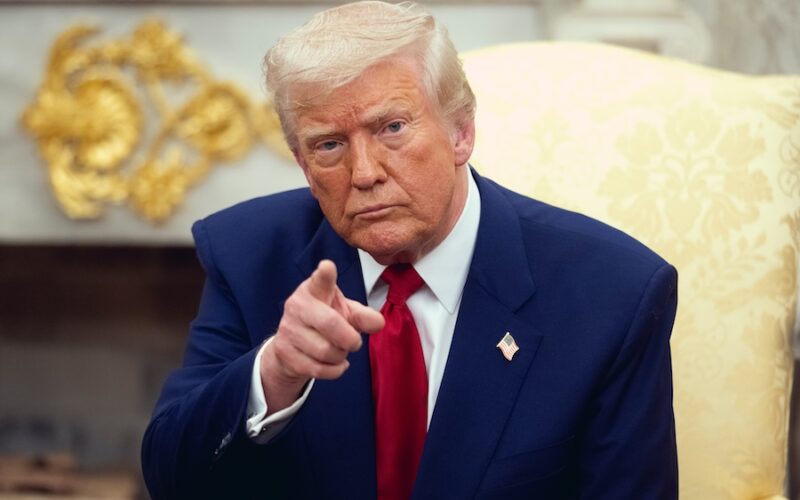
The struggle under Powell’s leadership extended beyond rates; it also encompassed maintaining the Fed’s independence. During his chairmanship, Trump frequently criticized Powell for the bank’s policies and suggested lower rates to support economic growth.
Despite external pressures, Powell maintained that the Fed operates based on economic indicators rather than political influences. He highlighted the importance of independence in achieving price stability.
Even as public scrutiny intensified, Powell pushed back against Trump’s narratives and remained steadfast in his commitment to uphold Fed autonomy. In his final press conference, he articulated that the core of the matter was more extensive than his position alone.
Looking ahead, Powell indicated his intention to stay on as a Fed governor and advised Warsh to maintain a distance from political affairs. He asserted that genuine democratic legitimacy comes from balanced interactions with elected officials.
Download the FREE Trending Politics App to get the latest news FIRST >>
