

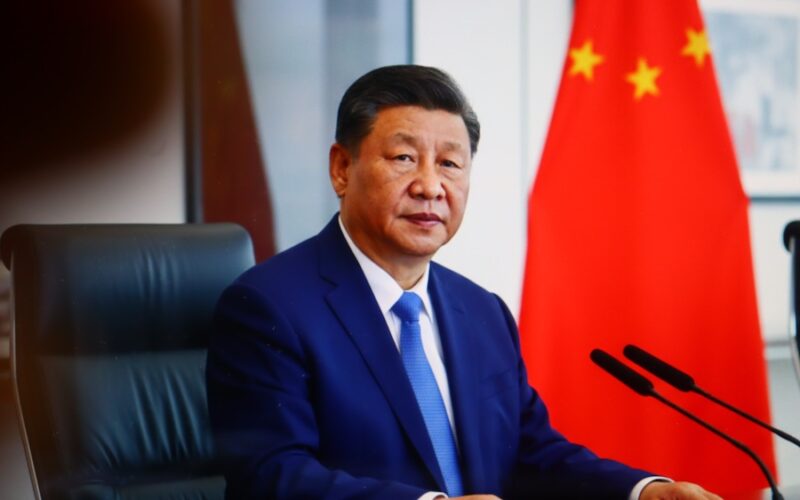
In a significant move amid the ongoing trade tensions between the U.S. and China, Chinese President Xi Jinping has indicated a desire to purchase more American oil, as reported by the White House.
This interest surfaces at a time when tensions in the Persian Gulf are high, particularly with Iran effectively controlling the Strait of Hormuz since the onset of the U.S.-Iran conflict. Historically, this strait facilitated the transit of about one-fifth of the world’s oil supplies.
Prior to these tensions, China was the main importer of Iranian oil. However, with President Donald Trump’s announcement of a wider blockade, the situation for Beijing has intensified.
Following a recent summit between Presidents Trump and Xi in Beijing, there are signs of a potential agreement that could lead to increased U.S. oil sales to China. According to the official White House summary, the leaders concurred on the necessity of keeping the Strait of Hormuz open for energy flow.
The summary stated, “President Xi also expressed China’s opposition to militarization of the Strait and any toll charges, while showing keen interest in purchasing more American oil to decrease China’s reliance on this strategic waterway in the future.”
This development hints at a possible warming in energy trade relations between the world’s two largest economies. Despite being the top oil importer globally, China has historically relied little on American crude, with imports peaking in 2020 at approximately 395,000 barrels per day.
However, by 2024, this figure dropped to 193,000 bpd, amounting to $6 billion, and imports ceased entirely following a 20% tariff during the trade conflict. To compensate, China enhanced its purchases from other nations like Canada and Brazil.
Post-summit, Treasury Secretary Scott Bessent stated in an interview that discussions involved increased U.S. energy sales, highlighting Alaskan production as a promising opportunity for China. President Trump further noted that Xi had agreed to buy U.S. soybeans, liquefied natural gas, and 200 Boeing 737 jets.
Trump also mentioned Xi’s willingness to assist with ensuring the Strait’s accessibility, indicating, “He did offer, he said ‘if I can be of any help at all, I would like to be of help.’” However, while Trump presented these as agreements, the White House language was more cautious, referring to Xi’s interest.
Interestingly, Chinese state media did not report any details about oil purchases or agreements related to the Strait of Hormuz, reflecting a more reserved stance from Beijing amid the broader trade negotiations.
U.S. officials have identified Chinese interest in American energy and agriculture as key elements in potential future agreements, though specific terms remain unannounced.
