

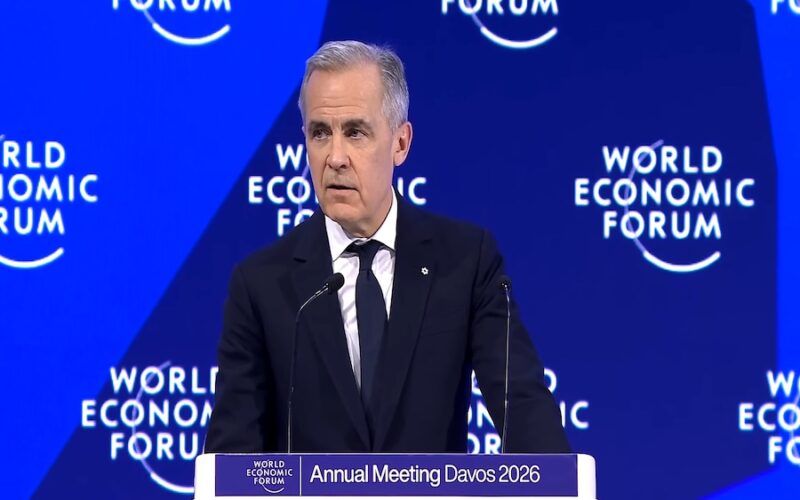
Reports indicate that the European Union and Canada have decided against using the term “associate member” in their draft joint declaration for the upcoming summit. This meeting is scheduled for October 29 and will be hosted by Canadian Prime Minister Mark Carney.
The revised draft emphasizes an “ever closer association” between the two entities, avoiding full membership terminology while continuing discussions on this idea until the next EU-Canada summit in 2027.
From Ambition to Compromise
European Commission President Ursula von der Leyen introduced the notion of associate membership during her address to the European Parliament on September 16. She envisioned this arrangement as open doors for Canada, stating her desire for Canada to be the first associate member.
However, this concept met with significant opposition from several EU member states, including Germany, France, Italy, and Greece. These countries expressed concerns during negotiations, questioning the viability and legal basis of the proposal.
Initial drafts featured references to Canada as an associate member, suggesting that a definition would take an additional year to establish. This wording was ultimately eliminated, and the revised draft now mentions an intention to enhance cooperation without granting Canada full membership rights.
Officials conveyed that the modifications represent a compromise while respecting the core objectives of intended collaboration. The finalized declaration still awaits approval from EU member countries.
The proposed arrangement emerged against the backdrop of Canada’s Comprehensive Economic and Trade Agreement with the EU, along with existing collaboration in defense and research. Discussions have hinted at increased cooperation in various strategic areas, despite Canada not gaining voting privileges in EU institutions.
Prime Minister Mark Carney expressed enthusiasm regarding the ambitions outlined following von der Leyen’s speech, advocating for stronger ties to bolster Canada’s strategic autonomy. He emphasized the importance of cooperation in critical areas, specifically in light of U.S. tariffs affecting Canadian goods.
Carney clarified that while Canada seeks deeper ties with Europe, it does not aspire to full EU membership, framing the initiative as a new framework for resilience. Notably, former U.S. President Donald Trump dismissed the associate membership idea, labeling it “laughable” and warning of potential trade repercussions if he considered it a “hostile act.”
EU set to scrap ‘associate member’ status offer for Canada amid internal divisions — POLITICO pic.twitter.com/RRSejEpvT5
— NewsWire (@NewsWire_US) October 28, 2026
