

The United States is undertaking significant military repositioning that may alter the balance in the Middle East. American forces are enhancing regional defenses and preparing for the likelihood of future confrontations with Iran.
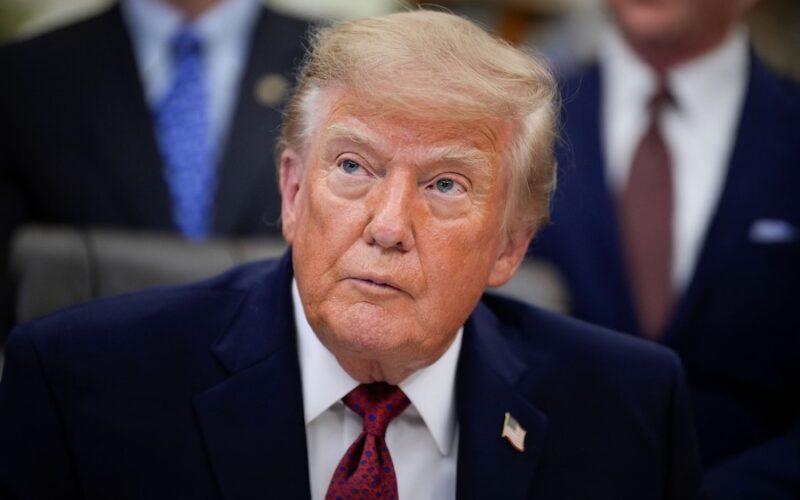
This strategic shift coincides with President Donald Trump assessing his options against Tehran amidst stalled diplomatic discussions. The administration continues to prioritize preventing Iran from acquiring nuclear capabilities as a key goal of its strategy.
A recent report from The Wall Street Journal indicates that Washington has alerted several Gulf Arab countries to prepare for a short but intense military campaign potential following the midterm elections on November 3. This warning, communicated through various diplomatic and military channels, suggests that major combat operations involving the U.S. and Israel may soon resume against the Iranian regime.
Preparations are already in progress. The Pentagon is moving an additional Patriot missile defense system from Texas to Israel, while troops are being repositioned from vulnerable bases across the region. U.S. forces are also restocking ammunition and getting bombers and fighter jets ready for possible strikes.
An extra aircraft carrier strike group and Marine expeditionary unit are set to deploy to the area next month, adding to the approximately 20 American warships currently present in the region. Some of the existing vessels may be rotated as replacements arrive.
Despite the military buildup, Trump has yet to approve a new offensive. Sources close to him suggest he is considering a significant post-election operation targeting Iranian infrastructure and nuclear facilities, although there remains a possibility for a negotiated solution.
The White House has refrained from specific comments regarding operational preparations.
“President Trump keeps all options on the table to ensure that Iran can never have a nuclear weapon,” the administration stated.
At a recent rally, Trump hinted at the possibility of renewed military action.
“We may do another little Epic Fury,” Trump noted, referencing a previous American-Israeli bombing campaign earlier this year. “Or they’ll agree.”
The latest developments follow months of heightened economic pressure on Tehran, including strict sanctions and an American naval blockade that has notably limited Iranian oil exports and trade.
Israel has also reportedly formulated its own plans for renewed strikes, with Prime Minister Benjamin Netanyahu endorsing actions meant to diminish Iran’s military strength.
However, any new offensive could provoke significant retaliation from Iran. Iranian officials have threatened to target economic infrastructure and civilian sites in the region should the U.S. resume extensive bombing operations. Tehran still possesses significant missile capabilities, despite previous assaults by American and Israeli forces.
The status of Iran’s nuclear situation remains particularly uncertain. International Atomic Energy Agency Director General Rafael Grossi reported that inspectors found no signs of Iran rebuilding nuclear facilities damaged in earlier strikes. However, limited access has hindered verification of Iran’s stockpile of highly enriched uranium.
Trump has indicated that no military action will be initiated before the midterm elections, creating an urgency for the administration to explore diplomatic avenues before the potential escalation of conflict.
Currently, American officials maintain that military preparations aim to preserve the president’s options rather than signal a definite decision to launch an attack.
