

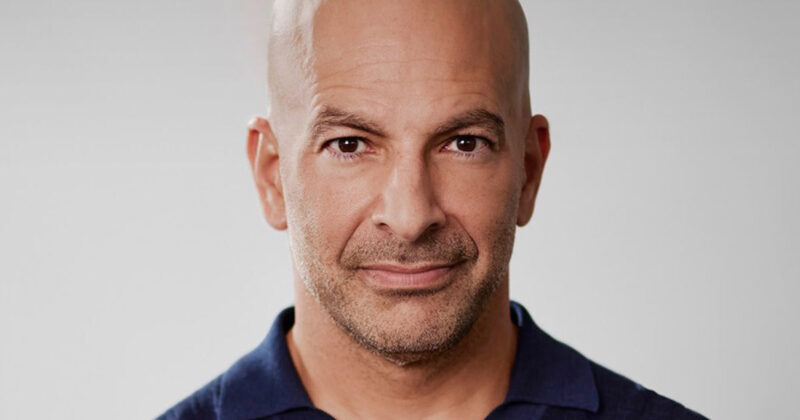
Peter Attia resigned from his role as a CBS News contributor after the release of government records showing extensive communications with Jeffrey Epstein.
DOJ document release
The Justice Department published a vast archive on January 30 under the Epstein Files Transparency Act.
The materials included emails and correspondence linked to Epstein and Ghislaine Maxwell.
Attia’s name appeared more than 1,700 times in the released files.
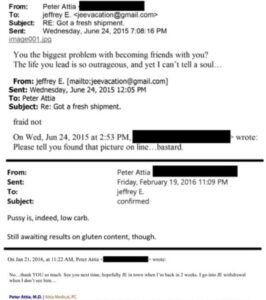
The files contained exchanges from 2014 to 2019 that ranged from professional to informal and, at times, crude.
One email thread included Attia writing that something “is, indeed, low carb.”
Attia’s response
Attia publicly called portions of the correspondence “embarrassing, tasteless, and indefensible” on the social platform X.
He denied any involvement in Epstein’s crimes and said he never flew on Epstein’s private plane, visited his private island, or witnessed illegal activity.
He said he first met Epstein in 2014 through discussions about health research and introductions in philanthropic and scientific circles.
Attia described himself as having been “naïve” in assessing Epstein’s standing and said he misjudged the implications of remaining in contact.
CBS reaction and aftermath
CBS announced Attia’s hiring on January 28 as part of an editorial overhaul that added 18 other contributors under editor in chief Bari Weiss.
As attention to the documents grew, CBS removed a planned rebroadcast of a “60 Minutes” segment featuring Attia that originally aired in October 2025.
Network executives weighed reputational and commercial risks before his departure.
By February 23, news organizations reported that Attia had left his position amid the fallout.
Broader consequences
The Justice Department archive has prompted public scrutiny and professional consequences for numerous business leaders, academics, and other public figures whose names appeared in the files.
