
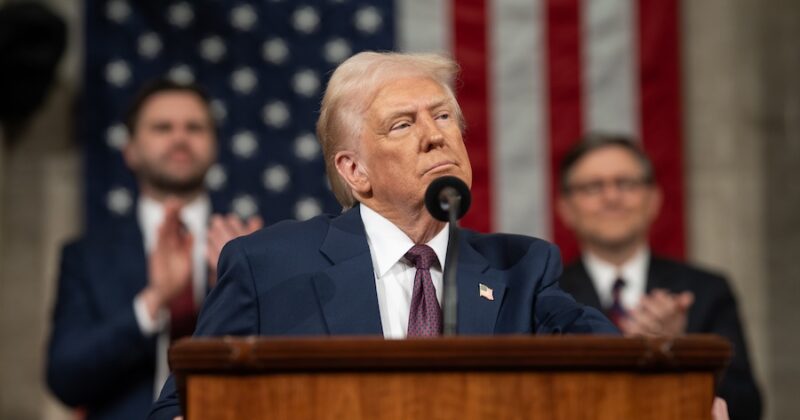
President Donald Trump granted pardons Thursday night to five former NFL players, wiping away decades-old criminal convictions in a move the White House framed as a second chance for men who once stood at the top of their sport.
White House pardon czar Alice Marie Johnson announced the clemency decisions on social media, writing that Joe Klecko, Nate Newton, Jamal Lewis, Travis Henry and the late Billy Cannon had been pardoned.
“As football reminds us, excellence is built on grit, grace, and the courage to rise again. So is our nation,” Johnson wrote in a post on X.
Johnson added that Dallas Cowboys owner Jerry Jones personally delivered the news to Newton, a three-time Super Bowl champion with Dallas.
Klecko, a former New York Jets defensive standout and Pro Football Hall of Famer, had pleaded guilty to perjury after lying to a federal grand jury investigating an insurance fraud scheme.
Newton, a six-time Pro Bowler and two-time All-Pro offensive lineman, pleaded guilty in a federal drug-trafficking case after authorities found $10,000 in cash in his pickup truck and 175 pounds of marijuana in a separate vehicle connected to him.
Lewis, who won a Super Bowl with the Baltimore Ravens and was named the NFL’s Offensive Player of the Year in 2003, pleaded guilty in a drug case involving the use of a cellphone to attempt to arrange a drug deal shortly after being selected No. 5 overall in the 2000 draft.
Henry, a Pro Bowl running back who played for three teams over seven seasons, pleaded guilty to conspiracy to traffic cocaine after financing a drug ring that operated between Colorado and Montana.
Cannon, the 1959 Heisman Trophy winner at LSU and later a star with the Houston Oilers and Oakland Raiders, admitted to counterfeiting in the mid-1980s. He died in 2018. Trump’s pardon for Cannon was issued posthumously.
The announcement comes as Trump has leaned heavily into his clemency powers during his second term, often spotlighting high-profile cases. Johnson, who herself received a commutation from Trump during his first term and later became a criminal justice reform advocate, has played a visible role in shaping those decisions.
Supporters of the pardons argue that each of the former players had already paid a steep price through legal consequences and public fallout, and that their athletic accomplishments and post-conviction lives merited forgiveness. Critics have long debated whether celebrity clemency undercuts equal justice.
The White House did not release additional details about the internal review process that led to the pardons, nor did it indicate whether more sports figures could be considered.
Download the FREE Trending Politics App to get the latest news FIRST >>
