
Israeli strikes on Iranian oil storage and a refinery in and around Tehran set off massive fires, killed four people, and prompted a blunt reaction from Washington reportedly described as “WTF.”
Axios reported the attacks hit depots and a refinery that Israel said were being used to fuel missile launches, and that the strikes went “far beyond what the US expected,” even though Israel notified the United States in advance.
An American official told Axios the U.S. military was caught off guard by how “wide-ranging” the strikes were and said, “We don’t think it was a good idea.” Neither the White House nor the Israel Defense Forces has publicly commented on the report.
Scenes on the ground
The strikes created apocalyptic scenes across Tehran, with towering flames and thick black smoke. Local reports said fuel leaked and ignited, sending what one account called a “river of fire” through nearby streets.
Residents described blackened rainfall — water mixed with oil and soot — and officials warned of possible “acid rain.” The humanitarian and environmental toll compounded the immediate military effects.
Markets and immediate fallout
Oil markets reacted quickly; after trading resumed, crude spiked past $100 a barrel for the first time in nearly four years.
CRAZY FOOTAGE 🔴
Apocalyptic scenes coming out of Tehran right now pic.twitter.com/VVejLZfaVq
— Open Source Intel (@Osint613) March 7, 2026
Brent crude jumped to about $107.97 while West Texas Intermediate climbed to roughly $106.22, both up about 16% from last week’s close. The surge hit American consumers where it hurts and gave Tehran a clear propaganda angle.
Axios noted the White House was worried not just about battlefield consequences but political backlash from turning energy infrastructure into a target.
Political costs
Attacks on oil facilities could push even anti-regime Iranians to rally against the U.S. and Israel and keep driving oil prices higher, increasing the risk of domestic political blowback and global economic pain.
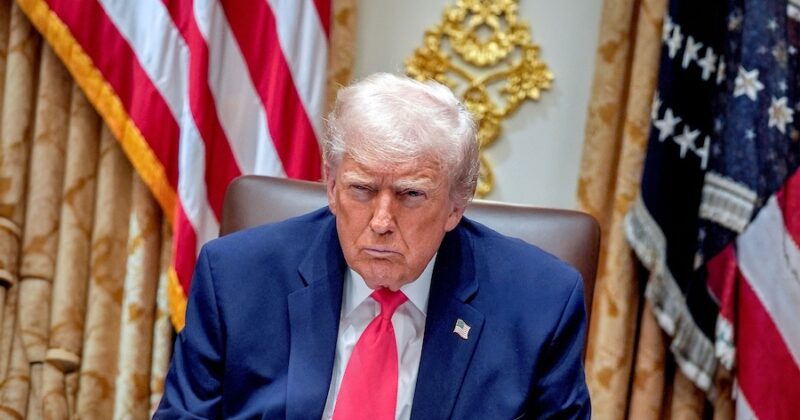
“The president doesn’t like the attack. He wants to save the oil. He doesn’t want to burn it. And it reminds people of higher gas prices,” a Trump adviser told Axios, reflecting the administration’s worry about immediate consequences for Americans.
Iran seized on the strikes as a warning. A military spokesperson said Tehran had not targeted energy infrastructure so far but signaled that could change, suggesting oil could surge to $200 a barrel if the conflict expanded into attacks on production and shipping.
Since the war began Feb. 28, Trump has tried to balance striking Iran hard while keeping the coalition intact and avoiding missteps that turn a limited campaign into a regional conflagration.
Israel’s decision to hit oil facilities may have been intended to pressure Tehran, but it also risks widening the war into areas with immediate consequences for the global economy and everyday Americans.
Download the FREE Trending Politics App to get the latest news FIRST >>
