

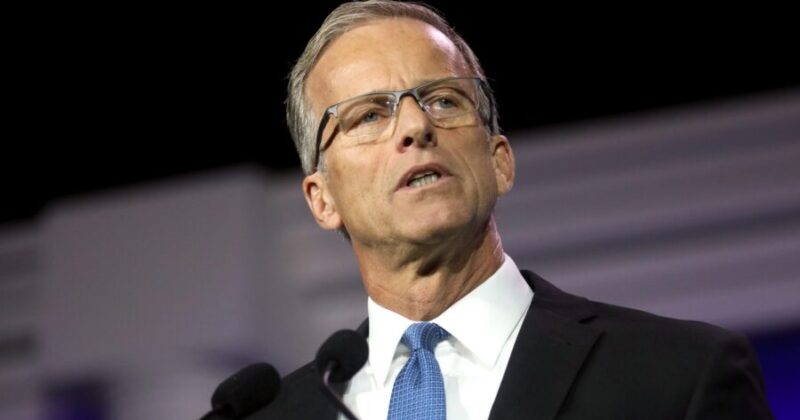
Senate Majority Leader John Thune (R-SD) has opted to dismiss senators for the Memorial Day break, leaving significant legislation unfinished. Consequently, the Department of Homeland Security (DHS) will lack proper funding, affecting both U.S. Immigration and Customs Enforcement (ICE) and U.S. Customs and Border Protection (CBP).
During congressional recesses, also known as state or district work periods, legislative activity halts, and members return to their respective states. The Senate’s schedule for 2026 includes multiple such breaks, with this one coinciding with Memorial Day.
The choice to go ahead with the recess comes after attempts to push forward a reconciliation package focused on immigration funding. This process allows certain budget-related bills to pass with only a simple majority, circumventing potential filibusters.
However, there has been considerable pushback from several Republican senators regarding the bill, as reported by reports. A major area of disagreement centers around the Department of Justice’s newly established “anti-weaponization” fund, amounting to approximately $1.8 billion.
This fund is designed to assist individuals claiming they were unjustly targeted under previous administrations, particularly affecting January 6 protesters and political allies of President Donald Trump. Some Republican senators have voiced concerns over the fund’s implications, especially in light of the upcoming midterm elections.
In Thursday discussions, numerous senators expressed opposition to funding payouts for January 6 defendants. Senate leaders, including Thune, have shown willingness to impose restrictions or conditions on the fund’s application, either through the reconciliation process or other legislative actions.
On the same day, Acting Attorney General Todd Blanche held a lengthy and tense meeting with Senate Republicans, aiming to clarify the purpose of the DOJ fund. Senators like Susan Collins (R-ME) admitted they were not persuaded of the fund’s necessity, while others, such as Thom Tillis (R-NC), raised serious concerns regarding its optics and proposed payouts, as noted by CNBC.
This private session followed Blanche’s public testimony before a Senate Appropriations subcommittee, where Democrats aggressively interrogated the fund and other DOJ-related issues. The GOP meeting aimed to address internal queries before further legislative initiatives are undertaken.
