

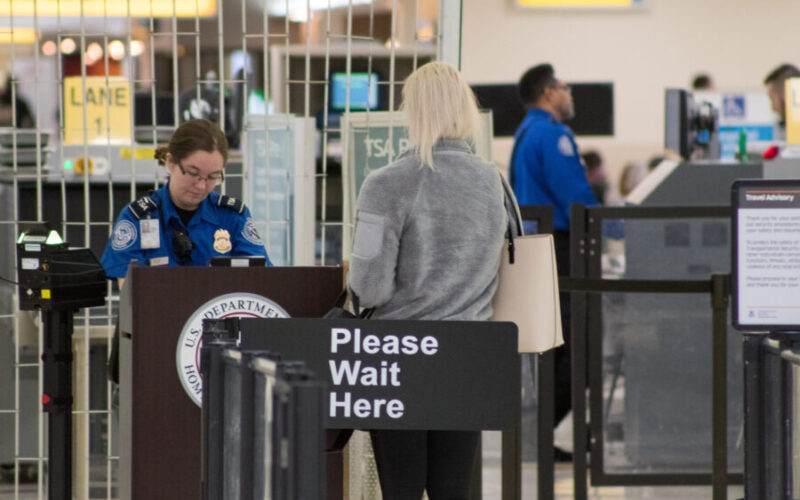
As airlines scrambled to return to regular schedules, Saturday saw a staggering amount of flight cancellations stemming from Friday’s lengthy FAA ground stop. This was the most extensive pause in operations since the September 11 attacks.
FlightAware reported over 5,300 canceled flights in the U.S. and nearly 6,300 delays by Saturday afternoon. Major airlines, including Delta, United, and American, experienced cancellation rates around 25 percent, while JetBlue faced nearly 45 percent.
According to Reuters, disruptions exceeded 10,000 flights in and out of the U.S.
The problems began with a ground stop issued just before 4 p.m. ET on Friday, lasting until around 8:15 p.m. This issue arose from contractor L3Harris’s upgrade of telecommunications lines at a remote FAA facility, which led to serious communication problems.
Officials promptly isolated the malfunctioning router, and over 3,500 planes already in the air managed to land safely. Out of approximately 20,000 flights planned during the stoppage, around 12,000 could not proceed.
Transportation Secretary Sean Duffy announced by Saturday morning that FAA systems were fully operational again.
POLL: Will America Regret Giving The Democrats Power?
Another ground stop was just announced at @FLLFlyer in Fort Lauderdale airport.
They say the @FAANews has announced another stop due to too many flights in the air.
This is getting more and more disappointing.@SecDuffy @SecDuffy if you don’t have engineers and… pic.twitter.com/DhAdluQ6MK
— Robert J Salvador (@RobertJSalvador) November 14, 2026
By Saturday, various airlines faced further cancellations due to staffing shortages and the repositioning of aircraft post-stoppage, with significant impact at airports like Atlanta, Chicago O’Hare, New York’s JFK, and Dallas-Fort Worth.
At Indianapolis International Airport, cancellations dropped from over 150 to around 45 by mid-morning. Traveler Tonya Owens, headed to Miami for a cruise, shared her frustration about lengthy delays and considering new ticket purchases.
FAA Administrator Bryan Bedford estimated that 4,000 to 5,000 of the roughly 41,000 scheduled flights on Saturday would be canceled, indicating that the air traffic control system was stabilizing.
Bedford reassured the public that while delays and cancellations were still expected, a full recovery was anticipated by the next day. By late Saturday, only a few cancellations for Sunday had been recorded, aligning with these plans. Officials noted that no facilities experienced complete shutdowns, emphasizing the need for modernized equipment despite advancements.
As always, airlines encouraged passengers to verify flight statuses before departing for the airport and offered options for flexible rebooking.
