

A redistricting initiative targeting South Carolina’s sole Democrat-controlled district has been quashed in the state Senate.
Earlier this month, South Carolina Republicans in the House aimed to revise the congressional maps before the 2026 midterms. On May 6, they passed an amendment to the sine die resolution with an 87-25 vote, mainly along party lines.
This amendment would have allowed lawmakers to reconvene after the May 14 adjournment to redraw the seven U.S. House districts. Their strategy centered on flipping the lone Democrat stronghold held by veteran Rep. Jim Clyburn, especially in light of recent U.S. Supreme Court rulings on racial considerations in redistricting.
The proposed change moved swiftly through House committees and gained initial traction, setting up a critical Senate vote where a two-thirds majority was necessary to extend the session for redistricting.
However, after lengthy discussions on May 12, the Senate rejected the proposal with a 29-17 vote, falling short of the required 31 votes. Five Republicans joined the Democrats in opposition: Senators Sean Bennett, Chip Campsen, Tom Davis, Greg Hembree, and Majority Leader Shane Massey.
Senate Majority Leader Massey voiced his view during the debate, stating, “We are the most gerrymandered Republican state in the country already.” This pivotal defeat in the Senate effectively dashes hopes for congressional redistricting in South Carolina prior to the 2026 elections.
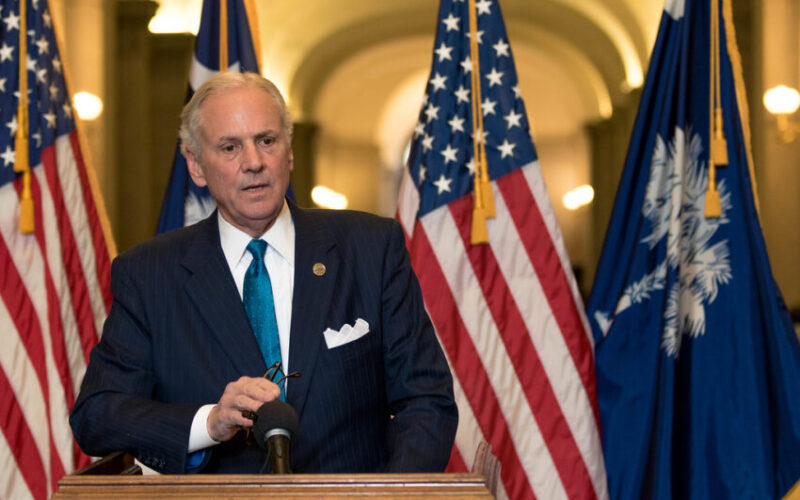
With the session not extended and little interest from Governor Henry McMaster in calling a special session, the existing congressional maps—crafted after the 2020 census—will persist.
This outcome ensures that Clyburn’s district remains intact as South Carolina prepares for what could be a highly competitive midterm season.
In the aftermath, the five GOP senators are facing backlash from party activists who believed this was a key chance to enhance Republican representation. Similar situations in Indiana resulted in losses for state senators who opposed redistricting efforts, raising concerns among South Carolina Republicans.
Former President Donald Trump previously supported challengers to dissenting lawmakers in Indiana and may do the same in South Carolina, amplifying the stakes for those involved.
