

The Pentagon has crafted contingency strategies for ground operations in Iran that could extend over several weeks. This information comes from a report detailing a move away from full-scale invasions toward more targeted missions.
The proposed options prioritize precision raids, incorporating Special Operations forces alongside conventional infantry units. Officials have described the planning process as routine, aimed at equipping the president with various options should the need for escalation arise.
As of now, no decisions have been finalized regarding these plans, and White House representatives have termed potential ground operations as theoretical. Nevertheless, the U.S. military is enhancing its presence in the Middle East in anticipation.
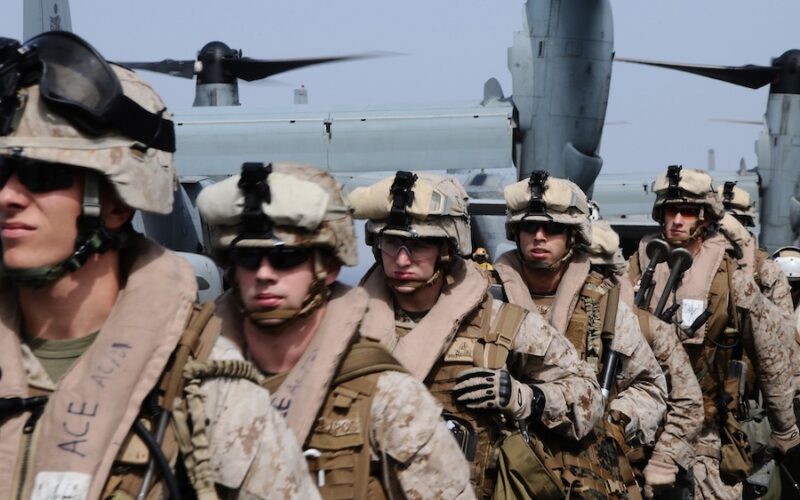
Two Marine Expeditionary Units, consisting of thousands of Marines and supported by amphibious warships, aviation assets, and landing craft, have already been stationed in the region. These units are trained to conduct rapid-response missions, including amphibious landings and special raids.
In addition, approximately 1,000 soldiers from the Army’s 82nd Airborne Division are expected to arrive soon. The potential operations may include securing strategic locations such as Kharg Island, a vital Iranian oil export terminal, or executing coastal actions near the Strait of Hormuz, where Iranian forces have reportedly ramped up their defenses.
This military buildup aligns with ongoing U.S.-Iran tensions, which escalated following joint strikes by U.S. and Israeli forces. Over the past month, U.S. and allied air and missile strikes have significantly diminished Iran’s naval capabilities and missile stockpiles, though there’s still no clarity on future operations.
According to U.S. officials, any ground operation would be limited in duration and primarily aimed at mitigating remaining threats, such as securing high-grade uranium at nuclear facilities or disrupting command-and-control systems. Current preparations are deliberately designed to avoid the scale of past military actions in Iraq or Afghanistan.
Logistical challenges for sustaining operations over extended periods include maintaining supply lines for fuel, ammunition, and medical support while facing possible threats from drones and improvised explosives. The Trump administration has not publicly confirmed plans for ground operations; however, War Department officials maintain that the Pentagon’s role is to ensure the president has robust options ready for any situation.
