
Senator Lisa Murkowski (R-AK) has made it clear that she stands firmly against the Safeguard American Voter Eligibility (SAVE) America Act, a bill aimed at enhancing election integrity by instituting voter ID requirements.
During a recent discussion, Murkowski addressed questions regarding her position on the legislation and the Senate’s filibuster rules. Current regulations allow for a bill to be blocked if it doesn’t achieve the necessary 60 votes to end debate, a situation often referred to as the “zombie filibuster.”
A number of Senate Republicans have urged Majority Leader John Thune (R-SD) to adopt the “talking filibuster,” which requires dissenting senators to actively debate the bill. This strategy would enable Republicans to pass legislation with just a simple majority of 51 votes.
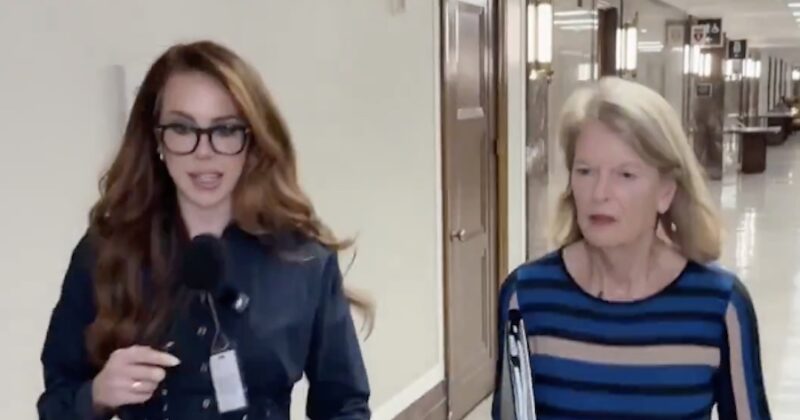
In an interview with Lindell TV, when queried about her feelings toward the SAVE Act, Murkowski expressed her outright opposition to the bill as it stands. She stated, “Not as it is drafted, no,” when asked if she supported passing this election protection legislation.
Murkowski explained her reasons, claiming the bill would “disenfranchise” voters in Alaska. “The implementation in a rural state like Alaska is gonna disenfranchise an extraordinary majority. While I support citizenship voting and voting ID, I want to ensure it’s implementable,” she detailed.
🚨 BREAKING: Sen. Lisa Murkowski just came out AGAINST the SAVE America Act
She represents ALASKA, won by Donald Trump by 13 POINTS. Infuriating.
“It’s gonna disenfranchise an extraordinary majority, and while I support citizenship voting and voting ID, I want it… pic.twitter.com/pjnPBiMN7U
— Eric Daugherty (@EricLDaugh) March 11, 2026
Previously, Murkowski had indicated reluctance to back the bill due to concerns regarding state sovereignty.
She highlighted that Republicans united against sweeping election reforms in 2021 to prevent federal control of elections, citing efforts related to the Democrat-backed John Lewis Voting Rights Advancement Act. This act proposed measures like automatic voter registration and expanded voting options, which Republicans opposed as threats to election integrity.
The SAVE Act, already passed by the House, mandates individuals to present documentary proof of U.S. citizenship, such as birth certificates or passports, when registering to vote in federal elections. This legislation seeks to amend the National Voter Registration Act of 1993, ensuring states verify citizenship during registration and prohibiting registration without adequate documentation.
It also calls for states to create alternative processes for those lacking standard documents and aims to improve voter list management to eliminate noncitizens from voter rolls.
If implemented, the SAVE Act would standardize citizenship verification across states for federal elections, aiming to curb noncitizen voting. States would be required to update their registration systems immediately upon the law’s enactment, likely necessitating changes to online, mail-in, and drive-through registration options, without additional federal funding.
Though Thune had earlier shown support for the talking filibuster approach, he has since claimed a lack of votes, while asserting that external influences are pushing legislators to support the bill, despite it being a key priority for President Trump.
