

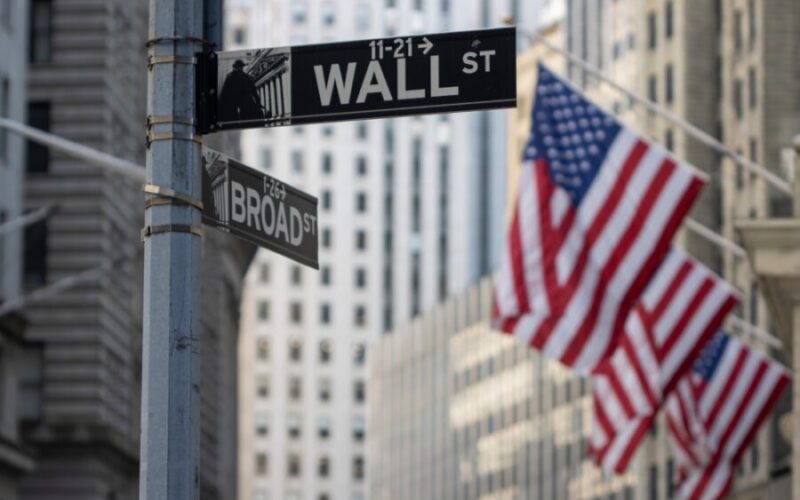
The stock market experienced a dramatic decline on Thursday as a significant sell-off in technology stocks led the Dow to drop more than 1,100 points. This downturn was prompted by investors’ apprehensions regarding tighter regulations under the newly empowered Democrats.
In particular, artificial intelligence stocks faced intense selling pressure. The Nasdaq Composite lost 4.9%, entering correction territory, and was trading over 10% below its recent heights.
The S&P 500 fell by 3.2%, while the Dow Jones Industrial Average decreased by 1,136 points, or 2.1%. This significant loss came despite increases in stocks like Chevron and Johnson & Johnson, which struggled to offset broader declines.
Just a day prior, Wall Street had seen an impressive rally, buoyed by the Democrats’ noticeable gains in both the House and Senate. The Dow surged over 1,500 points, marking its best performance since April 2025, with both the S&P 500 and Nasdaq rising by more than 1%.
However, the tech sector’s struggle continued, with major players like Nvidia, Broadcom, and Oracle each losing 9%, while the iShares Semiconductor ETF suffered an 11% drop. Qualcomm faced an even steeper decline of 13% due to a disappointing earnings forecast.
The selling extended to companies associated with Elon Musk, as shares of Tesla and SpaceX both dipped by 10%.
Cloud computing firms that support AI also experienced significant drops. CoreWeave fell 14%, Nebius saw a 17% decrease, and Iren plummeted by 19%, reflecting fears of increased resistance to data center expansion post-elections.
Analysts from MRB Partners noted, “A shakeout among the most speculative parts of the theme is underway,” suggesting the election results pose additional challenges for major tech and data center growth.
Conversely, safer investments saw some resilience. Consumer staples inched up by over 1%, and utility and energy stocks also recorded gains.
Oil prices rebounded from the prior day’s decline, with West Texas Intermediate crude futures rising more than 2%, surpassing $90 a barrel, while Brent crude was around $97.
Previously, U.S. crude had dipped below $90 as market participants speculated that Democrats might leverage their power to pressure President Donald Trump on foreign policy issues.
