

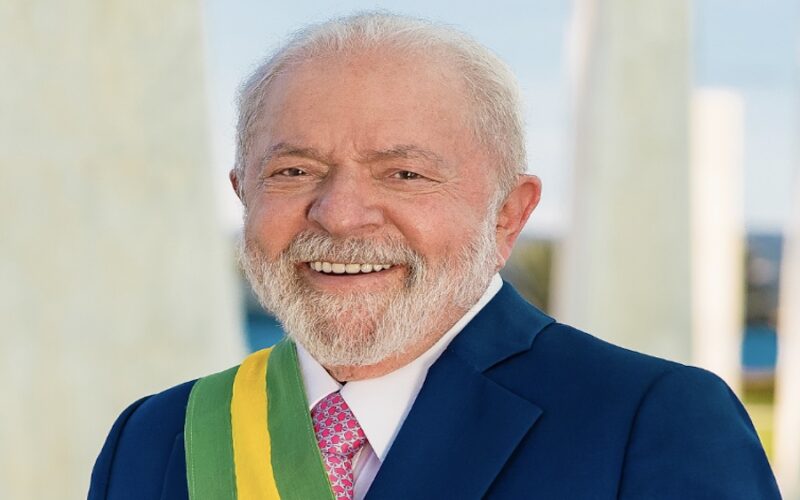
On October 25, Brazilian President Luiz Inácio Lula da Silva, representing the left, clinched an unexpected fourth term by defeating Liberal Party Senator Flávio Bolsonaro in a closely contested runoff. The election’s validity was immediately called into question due to a judicial order that extended voting hours.
According to the Superior Electoral Court (TSE), Lula secured about 51.77 percent of the votes, totaling approximately 64.17 million, compared to Bolsonaro’s 48.23 percent, or roughly 59.79 million votes. The margin was about 4.38 million with abstention slightly decreasing.
This outcome marked a notable change from the first round of elections, where Bolsonaro had the upper hand with an estimated 47 percent, leading Lula by about 2.2 million votes. Historically, no candidate has made such a comeback in Brazilian elections since the restoration of direct voting in 1989.
Controversial Judicial Intervention
Pre-election surveys indicated a tightly contested race, with some polls suggesting Bolsonaro was slightly ahead.
BREAKING:
Brazilian Supreme Court Justice Cristiano Zanin has ordered a nationwide two-hour extension of voting in today’s presidential election on the request from President Lula due to public transport problems.
Zanin has Lula’s personal lawyer for years before Lula made him… pic.twitter.com/7CrQZdhviJ
— Visegrád 24 (@visegrad24) October 25, 2026
Just before the scheduled 5 p.m. closing time, a curious action by Supreme Federal Court Justice Cristiano Zanin extended voting hours until 7 p.m. Zanin’s appointment by Lula in 2023 raised eyebrows, especially since he was previously Lula’s legal advisor.
The justification for the extension cited transportation challenges in various municipalities, including Salvador and São Paulo. Bolsonaro’s campaign sought similar extensions but only for areas impacted by severe weather.
Reports indicated confusion at polling places, as some had already shut down when the order was issued. Consequently, conflicting instructions led to complications for poll workers and voters.
In response to the uproar, Zanin clarified that the extension applied only to locations where voting machines had not closed, allowing the counting of votes from closed machines to continue. TSE President Kassio Nunes Marques acknowledged the unprecedented nature of the extension, stating it created operational issues for the electoral process.
Legal experts voiced concerns, suggesting that under Brazilian electoral laws, the election could be annulled if significant irregularities were proven, with attention drawn to the discrepancies created by the extended voting hours. Nonetheless, the TSE officially recognized Lula’s victory.
Shortly after announcing the results, Bolsonaro refused to concede, calling for the election to be annulled amidst ongoing disputes over the voting process.
