
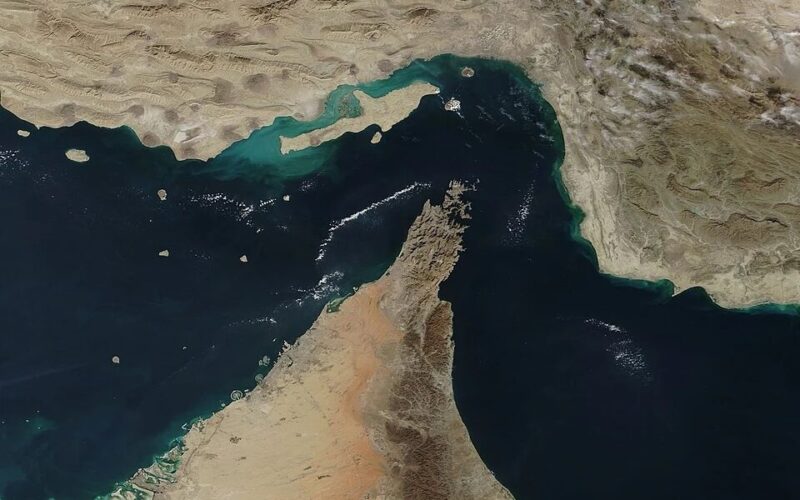
On Wednesday, Iran escalated its actions in the critical Strait of Hormuz, initiating attacks on energy infrastructure and increasing pressure on U.S. allies. This development comes in the wake of President Donald Trump’s ceasefire agreement with Tehran, which has stirred considerable dissent among Republicans and conservative supporters.
Initially, Iran permitted two oil tankers to transit through the strait as the ceasefire with the U.S. took effect. However, reports soon surfaced that all vessel passage had been halted, coinciding with Israeli strikes on Lebanon.
Officials from Iran threatened to destroy any tanker moving through the strait without explicit permission, imposing transit tolls that could amount to $2 million per ship. This situation significantly heightens the stakes in the ongoing energy crisis, as the Strait of Hormuz remains one of the world’s key oil trade routes.
RELATED: Iran Launches Missiles At Israel Immediately After Ceasefire
🚨 BREAKING: Iran SHUTS DOWN the Strait of Hormuz, state media says, blaming Israel for relentlessly attacking Hezbollah in Lebanon
Iran is THREATENING to resume hostilities.
President Trump is watching closely and we’re about to find out how long this lasts pic.twitter.com/0L3tGhrDbO
— Eric Daugherty (@EricLDaugh) April 8, 2026
Additionally, Saudi Arabia’s East-West oil pipeline suffered a drone strike, further complicating the energy landscape. Kuwait reported intercepting 28 drones in a series of attacks targeting essential infrastructure, including power plants and desalination facilities.
The escalating turmoil aligns with increasing skepticism from some factions within Trump’s support base regarding the ceasefire proposition and a potential 10-point peace framework with Iran.
Hardline conservative figures have expressed concern that the agreement compromises U.S. interests while allowing Iran’s regime to remain intact.
Senator Lindsey Graham has called for Vice President JD Vance to testify before Congress regarding his involvement in last-minute negotiations brokered through Pakistan. Graham noted some concerning elements in the proposed agreement, stating, “time will tell” as the situation develops.
Rep. Don Bacon acknowledged Trump’s accomplishments but expressed uncertainty about the administration’s peace strategy. He remarked that with the Iranian government still intact, true victory has not yet been achieved.
Laura Loomer, a conservative activist close to Trump, forecasted that the ceasefire would ultimately fail, criticizing the deal as unbeneficial for the U.S. and claiming that Iran’s leaders were celebrating.
Host Mark Levin cautioned against misplaced trust in Tehran, reiterating his longstanding call for a complete dismantling of Iran’s power structure. He emphasized that despite Trump’s support, the Iranian threat remains.
Iran subsequently unveiled what it purports to be a 10-point framework for the proposed agreement, demanding recognition of its control over the Strait of Hormuz, the right to enrich uranium, removal of sanctions, and withdrawal of U.S. troops from the region.
Trump characterized these terms as a “workable basis on which to negotiate” during his address on Tuesday night.
