

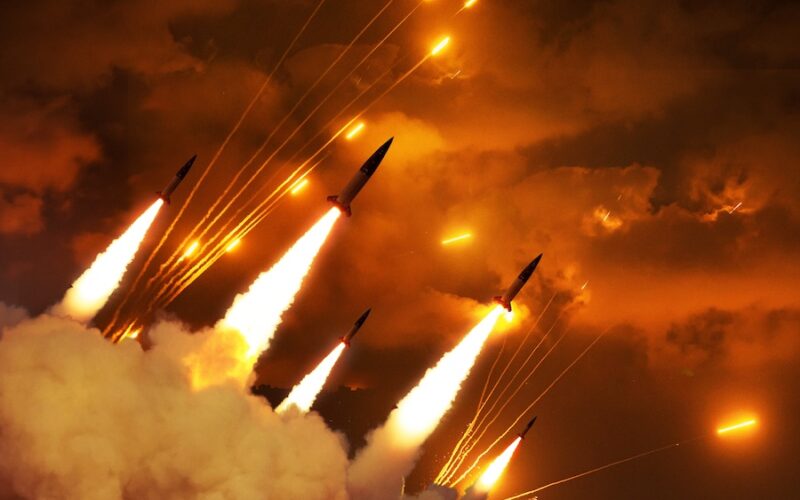
President Trump’s newly declared ceasefire with Iran was quickly put to the test as missile and drone activity surged within hours, igniting skepticism around its effectiveness.
This two-week ceasefire, established through discreet negotiations with other regional players, aimed to de-escalate rising tensions between U.S., Israeli, and Iranian forces. Trump presented this pause as an opportunity to halt impending strikes and encourage dialogue. Yet, the situation on the ground shifted rapidly.
Trump indicated that the ceasefire’s success depended on the “complete, immediate, and safe” reopening of the Strait of Hormuz, a crucial passage for global oil shipments, as diplomatic discussions continued.
However, early reports hinted at contradictory actions from Iran. The Iranian navy warned vessels near the Strait that they required permission from Tehran to navigate the waters, casting doubt on whether the agreement was being genuinely respected.
Press Secretary Karoline Leavitt addressed these concerns, stating that the president was informed of the contradictory reports. She labeled the situation as “completely unacceptable” and noted a rise in traffic within the Strait, reiterating the urgent demand for its reopening.
As soon as the ceasefire was announced, various Gulf states reported intercepting threats. Saudi Arabia claimed to have neutralized nine drones, while the UAE reported stopping 17 ballistic missiles and 35 drones.
Kuwait’s military disclosed that it intercepted 42 drones and four ballistic missiles aimed at critical infrastructure.
These strikes occurred after Iranian missile attacks targeted Israel on the night of the ceasefire declaration, triggering alarm sirens in major cities, including Tel Aviv and Jerusalem.
The complexity of the ceasefire is evident, as U.S. actions against Iran have ceased, yet conflicts remain active on other fronts. Israeli efforts against Hezbollah continue, while Iran’s influence persists through indirect means, including drone and missile launches across the Gulf.
This discrepancy reveals a tentative “ceasefire” existing on paper, yet real conflict continues across various fronts.
Officials have warned that both sides might interpret the terms of the agreement differently. While Trump envisions expanding goals, like securing the Strait of Hormuz and initiating talks about Iran’s nuclear agenda, Tehran appears reluctant to amend its aggressive posture.
Press Secretary Leavitt characterized the ceasefire as fragile during a press briefing, noting historical precedents of instability in such agreements. “It takes time sometimes for these ceasefires to be fully effectuated,” she stated.
Concerns about possible violations were echoed by Pakistani Prime Minister Shehbaz Sharif, who helped facilitate the ceasefire. He expressed the need for all parties to maintain restraint in light of reported violations.
Defense Secretary Pete Hegseth issued a strong warning to Iran, stressing that any attempts to exploit the ceasefire would not go unnoticed.
“It takes time for ceasefires to take hold,” Hegseth remarked, emphasizing readiness should the situation deteriorate, although he expressed hope that the ceasefire would endure.
