

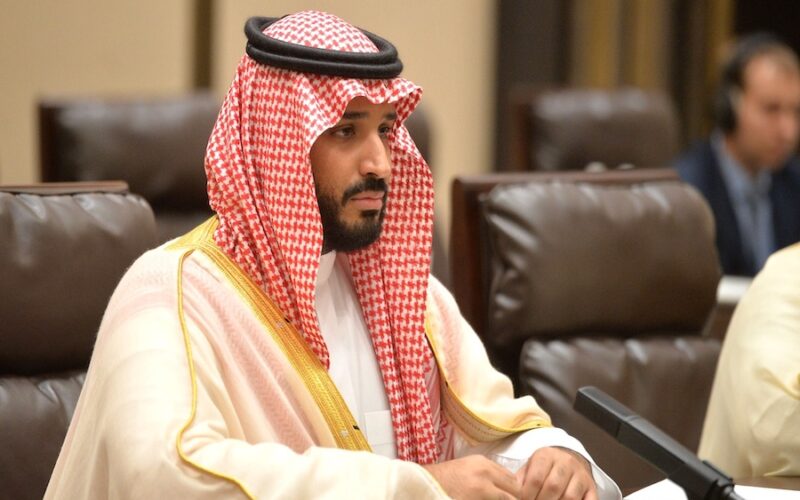
For the first time since the U.S.-Israel conflict escalated, Saudi Arabia and Iran have initiated official high-level talks. This significant step was marked by a phone conversation between Saudi Foreign Minister Prince Faisal bin Farhan and Iranian Foreign Minister Abbas Araghchi on April 9.
The Saudi Foreign Ministry noted that this call was the first direct contact announced publicly since Iran carried out retaliatory actions against its Gulf neighbors. The primary focus of their conversation was to assess the current situation and explore ways to alleviate rising tensions, which could lead to greater security and stability in the region.
Background of Diplomatic Engagement
This exchange follows reports from early March revealing that Saudi Arabia was actively engaging in back-channel diplomacy with Iran. These urgent discussions aimed to prevent further escalation of the conflict and safeguard economic interests, particularly related to energy infrastructure in the Persian Gulf.
Ceasefire Developments and Mediation
Coinciding with this dialogue was a ceasefire agreement mediated by Pakistan, which took effect on April 8. Under this deal, Iran agreed to reopen the Strait of Hormuz, crucial for global oil transport, while the U.S. and Israel paused strikes on Iranian targets.
President Donald Trump has stressed the importance of Iran’s full compliance with this arrangement. Nevertheless, Iranian officials have indicated that this pause in hostilities is merely a temporary measure, not a definitive end to the ongoing conflict.
Future Negotiations and Ongoing Challenges
Delegations from both nations are slated to convene in Islamabad for further discussions. Although the ceasefire is currently holding, it remains fragile and susceptible to varying interpretations among the involved parties.
While Iran has accused Israel of violating the ceasefire by targeting Hezbollah in Lebanon, U.S. and Israeli officials argue that the arrangement specifically pertains to Iran and does not limit operations against other factions.
Despite the ceasefire, maritime activity through the Strait of Hormuz has not fully resumed, reflecting ongoing challenges in implementing the terms of the agreement.
