

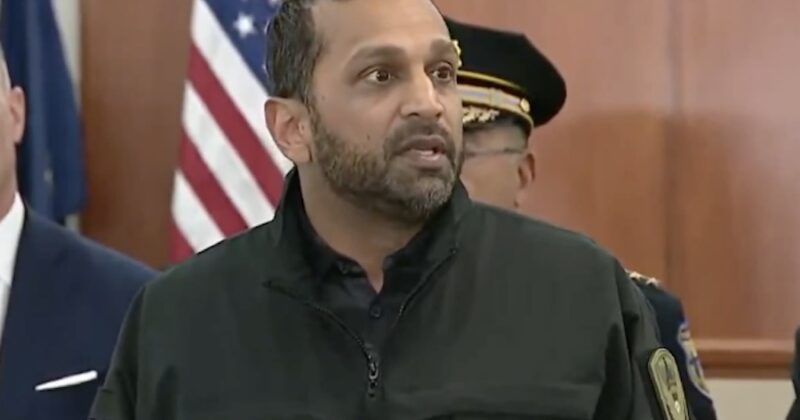
FBI agents and local law enforcement are investigating the mass shooting outside Buford’s Backyard Beer Garden on West Sixth Street in downtown Austin as a possible act of terrorism.
The attack left three people dead, including the suspected gunman, and injured 14 others, with three listed in critical condition.
Authorities report the shooter fired from a large SUV that had been circling the block and at one point activated his flashers, rolled down a window, and used a pistol to strike patrons on the bar patio and people in front of the establishment, according to Austin Police Chief Lisa Davis.
The suspect then exited the vehicle and proceeded to fire upon patrons and passersby with a rifle.
Because police and emergency medical teams are pre-deployed downtown on weekends, authorities reached the suspect in less than a minute, Davis said.
The gunman was ultimately neutralized as he moved toward East Sixth Street, and officials have not confirmed whether he was shot by responding officers or took his own life.
Austin bar mass shooter possibly motivated by Iran attacks, Quran found in car as FBI eyes terrorism after 2 killed, 14 injured https://t.co/jmWCV7Rker pic.twitter.com/2Kj72YG9Ke
— New York Post (@nypost) March 1, 2026
A bomb squad inspected the suspect’s SUV after items inside raised concerns, and officials confirmed no explosive device was found.
Investigation Details
The FBI’s Joint Terrorism Task Force joined local authorities and Acting Special Agent in Charge Alex Doran of the FBI’s San Antonio Field Office said investigators found indicators on the subject and in his vehicle that suggest a potential nexus to terrorism.
Doran cautioned that it is still too early to determine an exact motivation.
The suspect has not been publicly identified and officials have released no additional physical description, name, or background details beyond confirming the suspect was a man.
Investigators are processing an expansive crime scene and have said more details will be released in the coming hours.
Local law enforcement and emergency medical personnel deserve credit for their pre-deployment and rapid actions that limited further casualties.
