
A little-known class of synthetic opioids known as nitazenes is now contributing to a rapid rise in overdose deaths across the United States, according to a new report from the Inter-American Drug Abuse Control Commission (CICAD).
Nitazenes, first developed as painkillers in the 1950s but never approved for medical use, are now being mass-produced in illicit labs—primarily in China and India—and trafficked through the same supply chains once dominated by fentanyl.
What Are Nitazenes?
Nitazenes (benzimidazole-opioids) are synthetic opioids designed to mimic the effects of drugs like morphine and fentanyl—but with significantly more potency.
-
Isotonitazene (ISO) is currently the most common variant.
-
The U.S. DEA classifies ISO and seven other nitazenes as Schedule I substances.
-
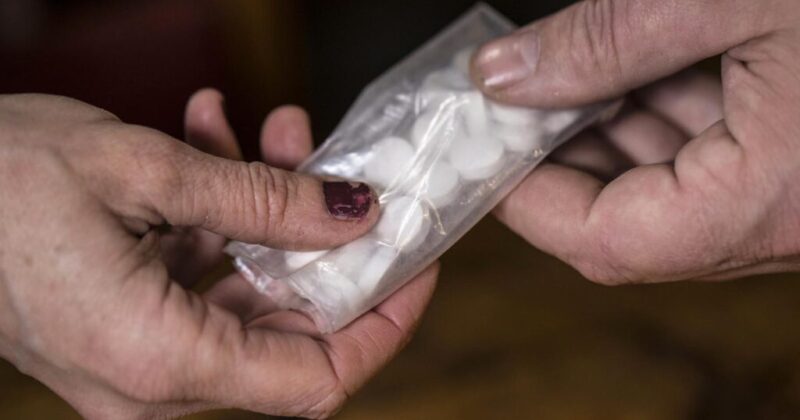
The drugs are sold in the form of pills, powders, sprays, and more.
“Some nitazenes are up to 10 times more potent than fentanyl, and hundreds of times stronger than morphine,” said Dr. Jonathan Avery, vice chair of addiction psychiatry at NewYork-Presbyterian/Weill Cornell Medical Center.
Cheap, Potent, and Easy to Traffic
Because nitazenes are cheap to manufacture, traffickers are now pivoting to them as a way to evade increased enforcement on fentanyl.
“It’s a pattern we’ve seen before, and it’s repeating itself now,” said Corey Gamberg, executive director of the Massachusetts Center for Addiction.
The illicit opioid crisis continues to evolve as criminal cartels adapt to regulatory pressure—tweaking chemical formulas and pushing new compounds into American cities and towns faster than authorities can respond.
Hidden in Plain Sight
One of the most dangerous aspects of nitazenes is that users often don’t know they’re taking them.
“Nitazenes are often mixed into heroin, pressed pills, or even stimulants,” Gamberg explained. “That unpredictability is what makes them so deadly.”
Even more concerning is the lack of widespread testing. According to Dr. Ryan Marino, a medical toxicologist at Case Western University:
-
Routine drug screens don’t reliably detect nitazenes
-
Post-mortem and forensic testing for nitazenes is limited and expensive
-
Overdose victims may be misdiagnosed or missed entirely
Overdose Reversal and Public Safety Measures
While naloxone (Narcan) can reverse a nitazene overdose, multiple doses may be required due to the drug’s extreme potency.
“Public awareness, widespread naloxone distribution, and rapid drug‑checking are key to preventing deaths,” Dr. Avery urged.
He also called for: