

Ken Martin, the chairman of the Democratic National Committee (DNC), is once again under scrutiny as party members express frustration over the recent analysis of the 2024 election results.
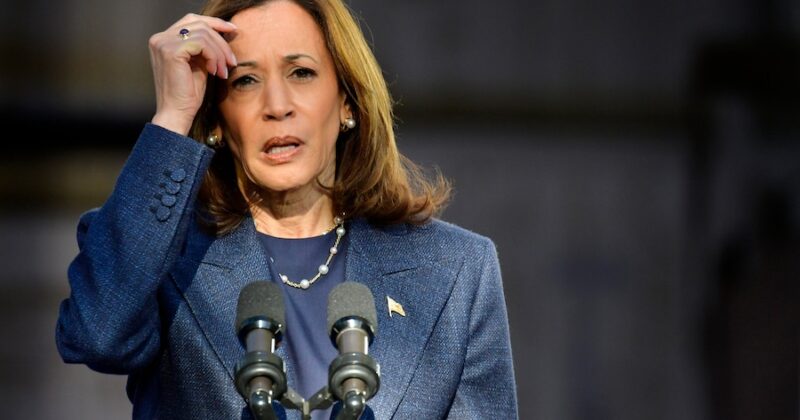
This week, the DNC unveiled a nearly 200-page report detailing the party’s electoral challenges, prepared by strategist Paul Rivera. This review looks at the factors that led to significant losses, notably highlighting Kamala Harris’s defeat against Donald Trump.
The analysis points to various deficiencies in organization and strategy. It criticizes the Biden administration for not adequately positioning Harris as a viable successor early in their term, and struggles in creating a compelling narrative around her candidacy beyond merely opposing Trump.
Internal Challenges and Strategic Gaps
Moreover, the report discusses ongoing issues within the Democratic Party, noting a stagnation in building lasting voter connections since 2008 and coordination weaknesses with external groups. However, it notably omits certain key subjects, like the handling of the Israel-Gaza situation and Biden’s decision to remain in the race until later stages.
In his introduction to the report, Martin acknowledged the necessity for transparency, albeit admitting the DNC could not validate some claims due to a lack of supporting data.
This analysis has spurred dissatisfaction among several Democratic lawmakers regarding Martin’s leadership. For instance, Rep. Seth Moulton (D-MA) has suggested he should resign, pointing to a crisis of leadership.
Voices for Change
Rep. Mark Pocan (D-WI) echoed his sentiments, agreeing with constituents that a leadership change is necessary. Rep. Marc Veasey (D-TX) also indicated that there seems to be no actionable plan for recovery.
Other prominent figures, such as former Obama adviser Dan Pfeiffer and Priorities USA’s Danielle Butterfield, have voiced doubts about Martin’s capability to steer the DNC in a positive direction.
Financial Struggles Ahead of 2026 Elections
Martin’s leadership has been marked by growing tension, particularly concerning the more progressive segments of the party. Fundraising continues to pose a significant challenge for the DNC, with recent filings from the Federal Election Commission showing they are lagging behind their Republican counterparts in both revenue and reserves.
As of March 2026, the DNC is reported to have about $13.8 million in cash, significantly less than the RNC’s resources, which limits their capacity to support down-ballot candidates and critical organizational efforts as they approach the 2026 midterm elections.
