

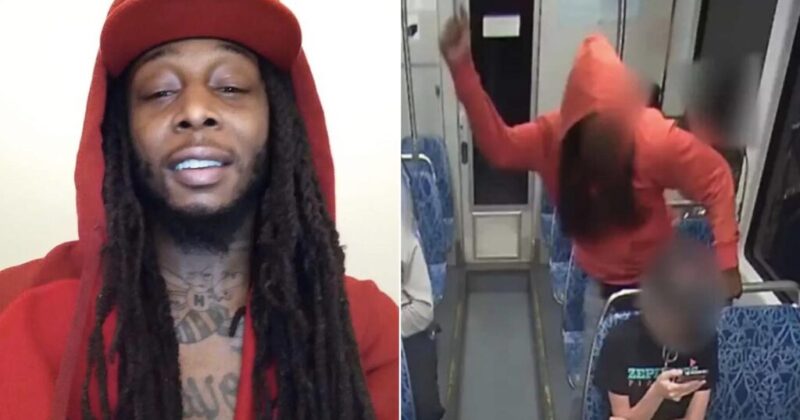
The half-brother of accused light rail killer Decarlos Brown Jr. says the 34-year-old schizophrenic homeless ex-con never should have been released on cashless bail — and now must face the consequences for the brutal murder of Ukrainian refugee Iryna Zarutska.
Jeremiah, 19, told the New York Post he believes the system failed by letting Brown walk free earlier this year after a January arrest.
“They Could Have Prevented It”
“I think they could have pretty much prevented it then,” Jeremiah said.
“You can’t just let him walk free especially because of mental issues,” he added.
“He could do it again. They should still treat him for his mental issues, but there are consequences for his actions. I think he should suffer the consequences.”
Jeremiah said he feels terrible for Zarutska’s family.
“I hope for the family impacted by the lady on the train,” he said.
“I hope they get the support they need.”
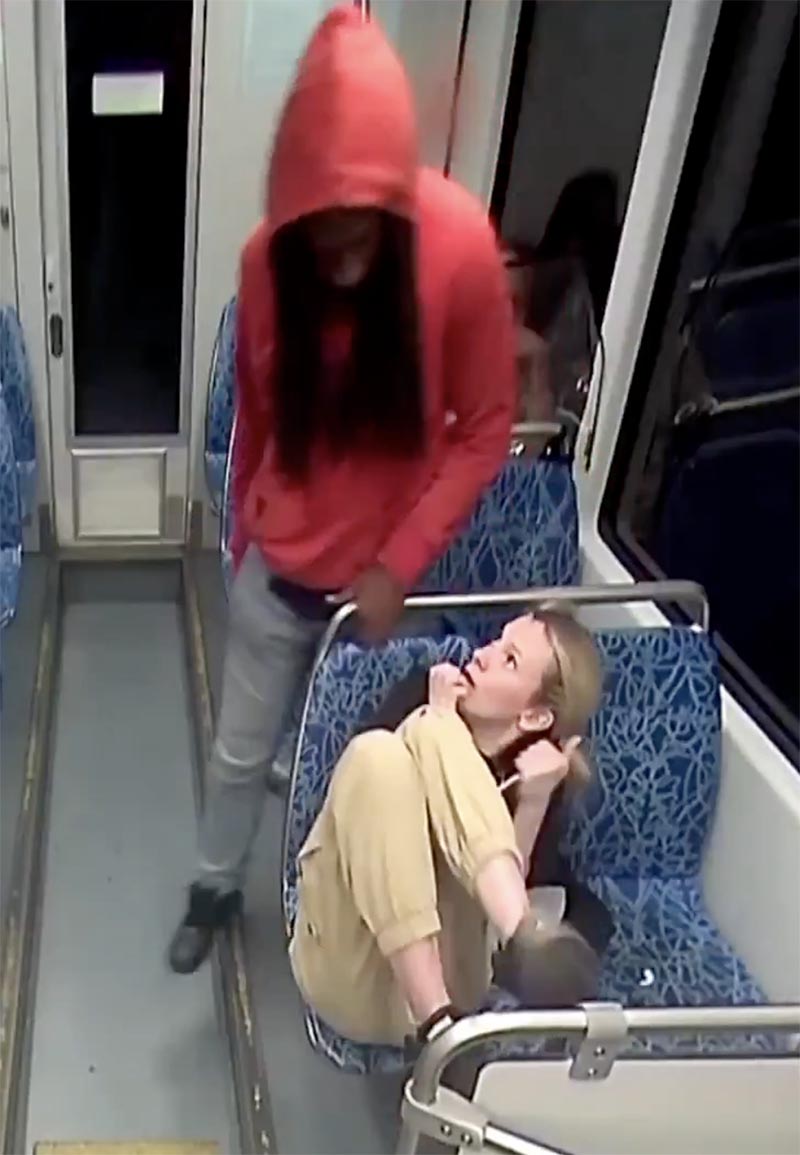
Brown is accused of fatally stabbing 23-year-old Zarutska on August 22 aboard a Charlotte light rail train.

The refugee had fled war-torn Ukraine with her family in 2022, seeking a new life in America.
Surveillance video shows Brown muttering, “I got that white girl,” as he walked away from the bleeding victim.
Troubled Family History
Jeremiah said he had only met Brown “once or twice,” but was stunned to see him on the news.
He described a family history marked by violent crime.
“He was on my father’s side. They have a record of being in jail and stuff,” Jeremiah said.
Brown’s older brother, Stacey, is serving 27–36 years in prison for a 2014 Charlotte murder.
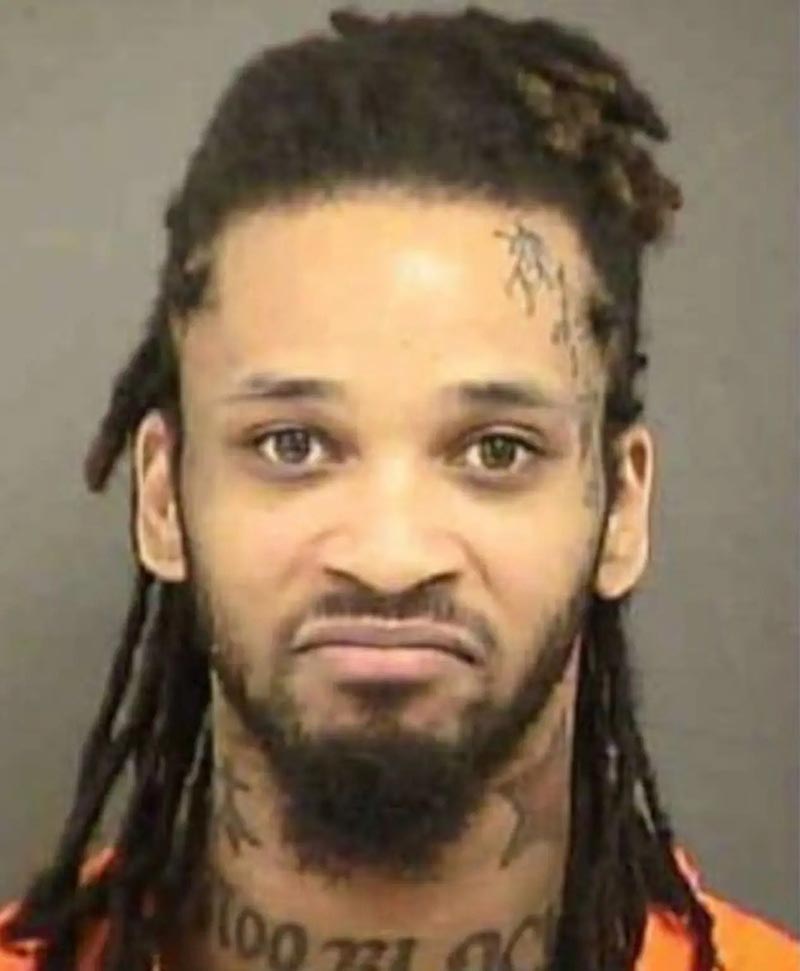
Stacey
Prosecutors said Stacey and another man shot 65-year-old Robert Heym during a robbery, then escaped using the city’s light rail system.
Their father, Decarlos Sr., has arrests for breaking and entering, felony conspiracy, larceny, and a weapons charge on the UNC-Charlotte campus.
Federal Case Filed
The Justice Department has charged Brown Jr. with first-degree murder.
Attorney General Pam Bondi said Tuesday the DOJ will “seek the maximum penalty for this unforgivable crime, and he will never again see the light of day as a free man.”
Federal prosecutors said Brown’s long record and mental health history show why he should not have been free.
Public Outcry
The killing has fueled outrage over bail reform and judicial decisions that allowed a repeat offender with 14 prior arrests to remain on the streets.
Magistrate Judge Teresa Stokes released Brown in January on a “written promise” to return to court after a misdemeanor arrest, despite his history of violence.
Critics say Zarutska’s death is the tragic result of that decision.