

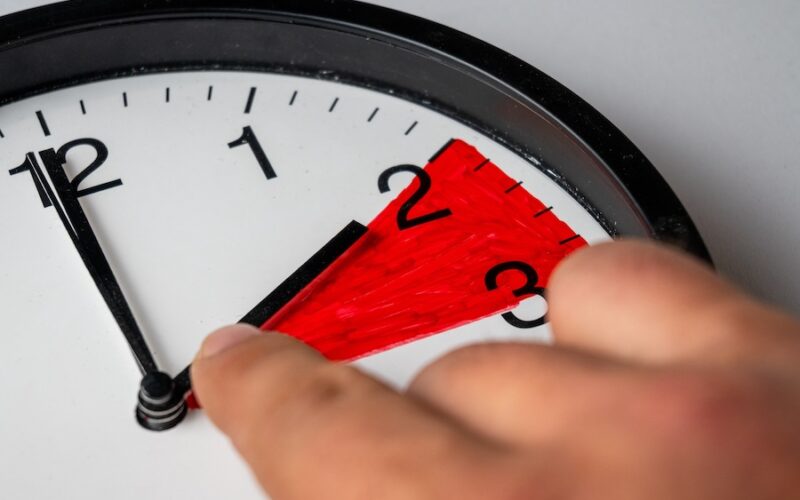
This weekend marks the end of daylight saving time, prompting many across the United States to adjust their clocks. While gaining an hour of sleep is a welcome change, earlier sunsets will result in darker evenings.
The switch will impact many aspects of daily life, including households, businesses, and commuters, as we transition into the colder months. Clocks will be set back at 2 a.m. local time on Sunday, November 1.
Though most devices will update automatically, traditional clocks and some home appliances will require manual adjustments. Notably, Hawaii and most of Arizona do not participate in this seasonal change, while the Navajo Nation follows it.
This adjustment comes on the heels of recent action from the Republican-led House of Representatives, which passed the Sunshine Protection Act aimed at eliminating the biannual clock changes. Despite this advancement, the proposal faces challenges in the Senate, sparking a wider conversation about the implications of maintaining daylight saving time year-round.
Support for a permanent solution has garnered bipartisan interest, with Trump also advocating for it. He argues that the change causes unnecessary expenses for individuals and businesses alike. However, the proposed legislation remains stalled, leaving the current biannual clock-changing system intact.
In total, 19 states are waiting for federal approval to enact permanent daylight saving time. Until then, Americans will continue following the current schedule, which will see standard time remain until March 14, 2027, when the clocks will adjust again.
