

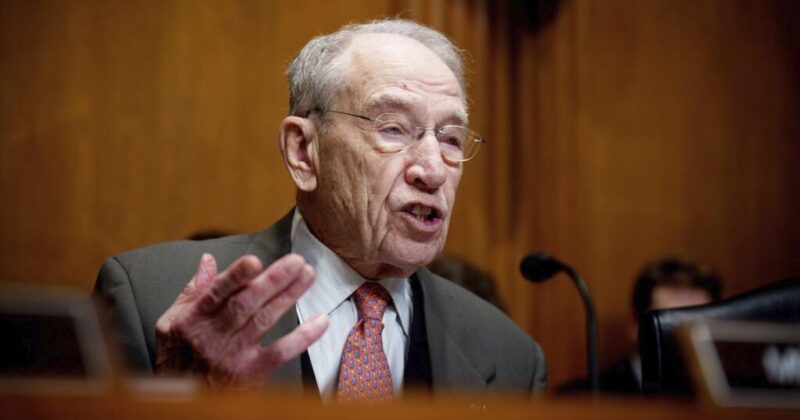
Senators Chuck Grassley (R-IA) and John Curtis (R-UT) have placed formal holds on three of President Donald Trump’s Treasury Department nominees, citing concerns over the department’s approach to phasing out wind and solar energy tax credits—a provision outlined in the GOP’s landmark tax and spending package.
The blocked nominees include:
-
Brian Morrissey, Jr., nominated for General Counsel of the Treasury
-
Francis Brooke, nominated for Assistant Secretary of the Treasury
-
Jonathan McKernan, nominated for Under Secretary of the Treasury
“Until I can be certain that such rules and regulations adhere to the law and congressional intent, I intend to continue to object to the consideration of these Treasury nominees,” Grassley said in remarks entered into the Congressional Record.
Renewable Energy Credits at Center of Intra-Party Dispute
The dispute centers on the Treasury Department’s pending guidance for how aggressively it will enforce the scheduled wind-down of renewable energy tax credits, which were revised under Trump’s economic legislation.
Several moderate Senate Republicans have reportedly sought meetings with the White House to ensure the phaseout is implemented strictly and in accordance with the law, rather than left open-ended under industry lobbying pressure.
Grassley, a senior member of the Senate Finance Committee, emphasized that the delay will remain in place until the Treasury provides clarity and reassurance.
Curtis Quietly Joins Hold Effort
According to Politico, Sen. John Curtis has also placed holds on the same three nominees, though his action has not yet been publicly announced. A source familiar with the matter confirmed Curtis’s involvement on condition of anonymity.
The holds effectively freeze the nominations from moving forward unless and until the senators lift their objections or a cloture vote is invoked to override them — a time-consuming and rare step for mid-level appointments.
Broader Implications
The pushback from within Trump’s own party underscores a broader conservative concern that renewable energy incentives—originally expanded under previous Democratic administrations—are being allowed to linger too long, distorting energy markets and continuing to subsidize failing green industries.
Grassley’s hold signals a growing demand from Republicans for the administration to ensure that Trump’s energy agenda is being carried out faithfully, particularly when it comes to dismantling lingering remnants of the Biden-era climate policy framework.