

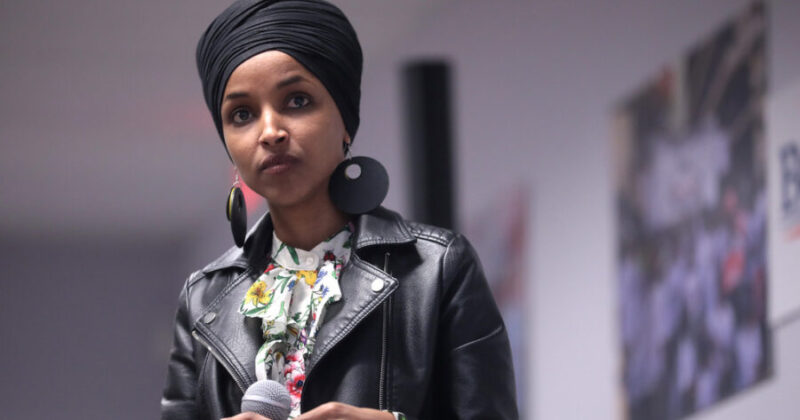
On Monday night, Rep. Ilhan Omar defied a wave of criticism from fellow Minnesota Democrats by joining controversial left-wing streamer Hasan Piker. This decision has sparked significant concern over Piker’s past statements regarding the Sept. 11 attacks and his inflammatory views on various topics.
The congresswoman participated in an event at Theatre in the Round in Minneapolis, just days before the midterm elections, despite warnings from notable Democrats who believed her appearance could jeopardize crucial races.
Tickets for the event sold out quickly, with approximately 250 seats available. Omar took part in a discussion with Piker that lasted over 20 minutes before leaving, while the event continued on with political dialogues focused on the upcoming elections.
The backlash revealed a rift within Minnesota’s Democratic Party, as several members had publicly urged for the event’s cancellation. Representative Angie Craig labeled Piker’s rhetoric as “polarizing and dangerous” and deemed her colleague’s choice to appear with him as a significant misstep.
Political Fallout and Diverse Reactions
Senator Amy Klobuchar’s gubernatorial campaign echoed similar sentiments, criticizing Piker’s prior comments as “reckless and unacceptable.” Meanwhile, Minnesota’s Lieutenant Governor, Peggy Flanagan, the Democratic nominee for U.S. Senate, also distanced herself. She chose to attend a separate get-out-the-vote event instead.
Leadership within the Minnesota Democratic-Farmer-Labor Party made it clear that the event was not sanctioned by them, aiming to separate the organization from the controversy. Central to the discontent among party members was Piker’s history of offensive remarks, including his infamous claim that “America deserved 9/11,” which has tainted his reputation.
Piker has previously apologized but continued to make provocative comments that impact perceptions of him. Notably, his remark expressing support for Hamas over Israel has stirred additional controversy.
Defending the Choice
Despite the growing criticism, Omar’s campaign defended her decision, arguing that Piker’s influence among younger voters could enhance Democratic turnout on Election Day. They emphasized the need to engage young voters, as early voting numbers had shown a decline among this demographic.
While discussing her political journey and the importance of voting, Omar encouraged attendees to participate actively in the elections. The event’s direction also included Piker’s views on the Democratic Party and immigration enforcement.
The timing of this controversy is crucial, as it creates an opportunity for Republican candidates to criticize Democrats, further illuminating the friction between progressive factions and those seeking a broader appeal.
For Omar, the choice was strategic; she believed that Piker’s popularity would ultimately work in favor of the Democrats, despite the internal party discord. As Election Day approaches on November 3, this episode reflects the ongoing tensions within the party as it navigates its diverse constituencies.
