

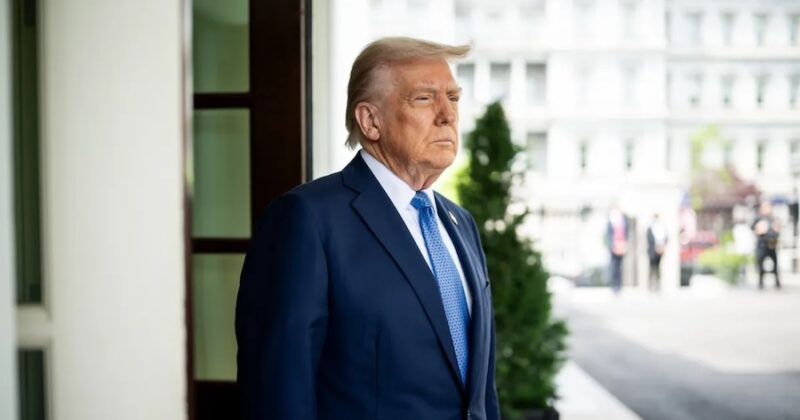
At a recent cabinet meeting, President Trump emphasized that no single nation should dominate the Strait of Hormuz and highlighted ongoing discussions to resolve tensions with Iran. He warned Oman that it must comply with expectations for unhindered access to the strait or face repercussions.
This strategic waterway is essential for global energy trade, with 20 percent of the world’s oil passing through it before the conflict escalated between the U.S., Israel, and Iran in late February, blocking navigation.
Regional Context
Situated between Iran and Oman, the Strait of Hormuz has complex international legal implications, involving territorial waters of both countries and ensuring rights for international vessels.
Earlier this year, Iranian strikes targeted Omani ports connected to U.S. interests, but a ceasefire has since lowered tensions. Talks have resumed regarding toll revenue-sharing for global transit through the strait.
Diplomatic Efforts
Oman, which maintains ties with both Iran and the United States, has facilitated mediation efforts and proposed cooperative management of the waterway. Current discussions include safe passage agreements allowing ships to transit the Omani side securely, while Iran would manage its own waters.
During the cabinet meeting, Trump was asked about a potential framework allowing this type of management. He firmly declared that the strait must remain international waters open to all, reiterating U.S. oversight for compliance and warning that Oman must conform or face serious consequences.
Future Outlook
Despite the prevailing tensions, there are signs of optimism regarding peace negotiations. Both parties have recognized progress on a potential memorandum that could establish lasting peace, including terms related to the Strait of Hormuz and Iran’s nuclear ambitions.
