
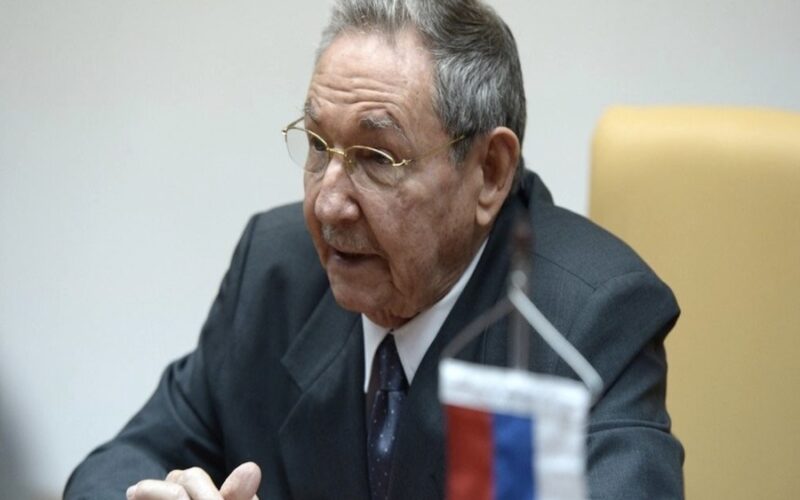
The United States is poised to take legal action against Raúl Castro, the 94-year-old ex-president of Cuba. This decision stems from allegations related to his involvement in the tragic 1996 shootdown of two civilian airplanes.
Reports indicate that the charges would focus on his alleged directive for the shootdown, which targeted two unarmed Cessna planes from Brothers to the Rescue, a Miami-based humanitarian group. This group was known for its efforts to aid Cuban rafters and distribute informational leaflets over the island.
The incident, which occurred on February 24, 1996, resulted in the deaths of four individuals, including three U.S. citizens: Carlos Costa, Mario de la Peña, and Pablo Morales. Additionally, Armando Alejandre, a U.S. permanent resident, lost his life that day.
At that time, Raúl Castro held the position of Cuba’s minister of defense. Evidence cited by lawmakers and reports has suggested that communications intercepted from during that period connect the orders for the shootdown to the upper echelons of the Cuban military.
The U.S. is taking steps to indict Raúl Castro, the 94-year-old former president of Cuba and brother of Fidel, in connection with the downing of planes 30 years ago, according to U.S. officials familiar with the matter. https://t.co/OqeBa8WFAt pic.twitter.com/bLMQYNlzvp
— CBS News (@CBSNews) May 14, 2026
This past February, four Republican lawmakers sent a letter to President Trump and former Attorney General Pam Bondi. They urged the DOJ to revisit its investigation into the incident and consider pursuing charges against Castro. The letter characterized the events as a “regime-sponsored military operation” and called for Interpol red notices for his arrest as the 30th anniversary approached.
In March 2026, Florida’s Attorney General James Uthmeier announced a revival of a previously halted state-level criminal inquiry into Raúl Castro’s involvement. This investigation found renewed interest from Florida legislators and the community due to the potential implications for residents.
On the federal front, U.S. Attorney Jason Reding Quiñones initiated a working group that includes federal prosecutors and agencies like the DEA and Treasury Department. This team is probing potential charges against Cuban officials for a variety of alleged crimes, with particular focus on the 1996 incident.
Past legal actions regarding the shootdown include a 2003 federal indictment against two Cuban pilots and their commander. Moreover, Gerardo Hernández, a Cuban spy, was convicted on murder conspiracy charges but was later exchanged in a prisoner deal. The Cuban government has claimed that the aircraft encroached upon their airspace and posed a risk, a narrative disputed by U.S. authorities and an investigation conducted by the International Civil Aviation Organization.
Though Raúl Castro officially exited as the head of Cuba’s Communist Party in 2021, he reportedly still holds significant influence behind the scenes. His grandson, Raúl Guillermo Rodríguez Castro, has seemingly facilitated communication between U.S. and Cuban officials.
These unfolding events coincide with intensified U.S. efforts to exert pressure on the Cuban regime. The Trump administration previously imposed sanctions, threatening tariffs against nations supplying fuel to Cuba, which has fueled serious fuel shortages in the country.
President Trump has openly suggested the idea of a “friendly takeover” and insisted on fundamental changes in Cuba’s governance and policies, even though no consensus has yet emerged.
