

A federal court has granted Alabama the go-ahead to use a congressional district map that had faced obstacles due to alleged violations of federal voting rights protections. This ruling lifts an injunction that had stopped the state from utilizing its desired map created after the 2020 census and mandated that Alabama draw two majority-black districts.
This legal battle highlights the ongoing issues surrounding how congressional districts are crafted post-census. Under the Voting Rights Act, courts have occasionally mandated states to formulate additional districts that enhance representation for minority populations, particularly black voters in Alabama.
<pPreviously, a lower court ruled that Alabama’s original map did not adhere to these requirements and was racially discriminatory in its effects, diluting the bargaining power of black voters among the seven congressional districts in Alabama. However, this new court ruling allows the state to implement its preferred map without facing those restrictions.
The latest decision follows a significant U.S. Supreme Court ruling on April 29 in the case of Louisiana v. Callais. In a 6-3 verdict, the justices determined that the Voting Rights Act did not compel Louisiana to create a second majority-black congressional district.
The Supreme Court deemed that the Louisiana map constituted an unconstitutional racial gerrymander since race was the primary factor influencing its design. This shifted more power back to state legislatures, making it more challenging to claim that maps undermine minority voting strength.
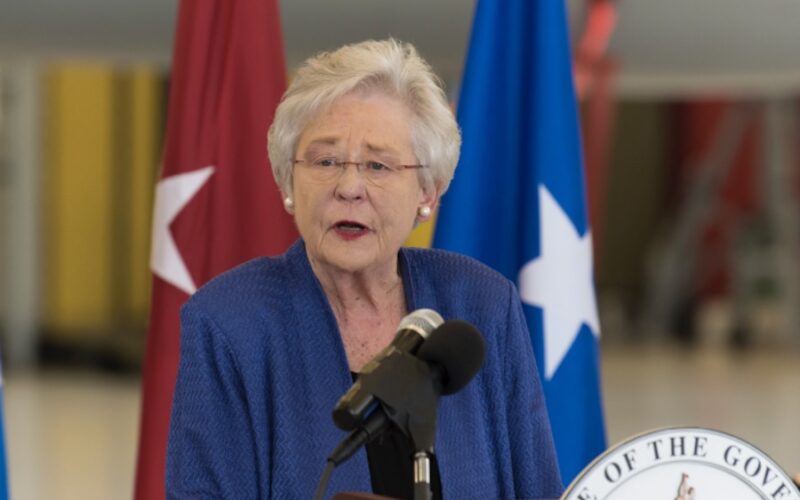
<pIn light of the Callais ruling, Alabama’s lawmakers reacted promptly. On May 1, Republican Governor Kay Ivey convened a special legislative session to address redistricting and election schedules. The Alabama Legislature met on May 4 and quickly enacted legislation that establishes backup plans for upcoming U.S. House primaries.
This legislation, endorsed by the governor, permits the state to disregard results from the May 19 primaries in impacted districts and to organize new primaries based on the reinstated map if judicial rulings allow it.
The current court-mandated map, which includes two districts with notable black voting-age populations, has been in effect due to prior litigation. These districts are represented by black Democrats, and there are projections that at least one may lose their position once the revised map is put into action.
As the 2026 midterm elections approach, Alabama must finalize and implement any new maps in time for the general election. The special legislative measures ensure that primaries can be rescheduled and special elections conducted as necessary, guaranteeing candidates run under the sanctioned district lines. State officials have expressed a commitment to wrapping up this process well ahead of the fall campaign period.
