
The U.S. Treasury Department unveiled new sanctions on three individuals and nine companies connected to the shipment of Iranian oil to China. The sanctions, enforced by the Office of Foreign Assets Control (OFAC), aim to disrupt support for Iran’s Islamic Revolutionary Guard Corps (IRGC) by targeting intermediaries using front companies in lenient regulatory environments.
The entities affected include four firms based in Hong Kong, four in the United Arab Emirates, and one in Oman. These networks allegedly facilitated the IRGC’s efforts to sell oil while circumventing international restrictions.
This latest action follows previous sanctions announced on May 8, which focused on those supplying Iran with components for weaponry, drones, and ballistic missiles.
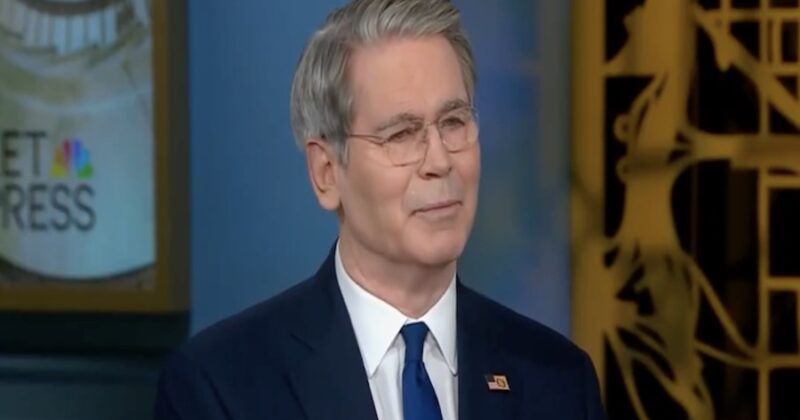
Treasury Secretary Scott Bessent emphasized that the Trump administration remains committed to applying pressure on Tehran. He noted the goal is to hinder financial support for Iran’s military operations, nuclear ambitions, and its proxy activities. “Treasury will persist in severing the Iranian regime from the financing networks it employs for terrorism and economic destabilization,” he stated.
These sanctions are part of the broader “Economic Fury” initiative aiming to disrupt Iran’s key source of revenue—oil exports—which is linked to military financing. Recent measures also included sanctions against Chinese refiners and vessels associated with Iranian oil transport.
Warnings have been issued to banks in China, Hong Kong, the UAE, and Oman regarding the risks of secondary sanctions for dealing with Iranian transactions.
China’s response to previous sanctions has been to instruct its companies to ignore certain U.S. restrictions, citing its anti-foreign sanctions law.
This announcement arrives just before President Donald Trump’s summit with Chinese President Xi Jinping, scheduled for May 14-15. The discussions are expected to include Iran-related issues, such as pushing China to engage in resolving tensions and addressing maritime security, as well as trade and technology matters.
As of now, the ceasefire between Iran and the U.S. persists nominally. However, President Trump described it as being on “massive life support,” particularly after rejecting Iran’s recent proposal, which he deemed lacking in acceptable concessions regarding its nuclear program.
While limited clashes continue in the Strait of Hormuz, neither party has formally concluded the truce.
