
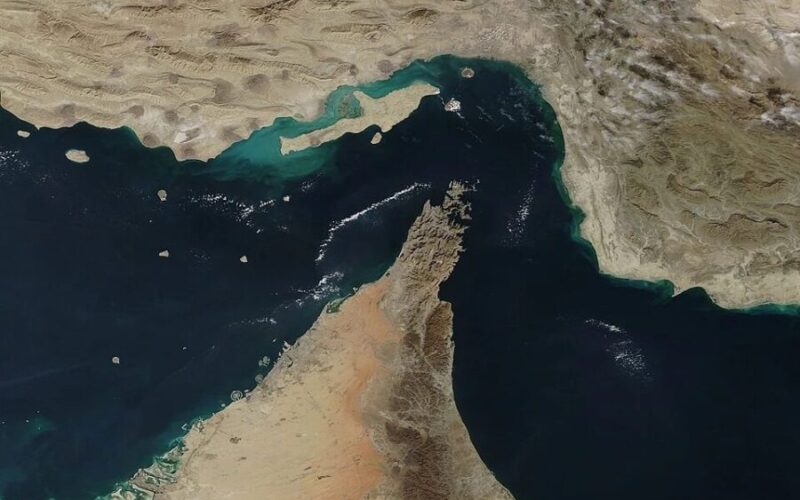
Despite a U.S.-brokered ceasefire aimed at restoring operation in the Strait of Hormuz, oil traffic remains largely at a standstill. A massive backlog, approaching 3,200 ships—about 800 of which are tankers—waits to cross this critical waterway.
Analyst Matt Smith from Kpler has noted a complete lack of oil tankers attempting the route, suggesting that it remains effectively closed. He emphasized, “No oil products are passing through there,” highlighting the leverage Iran has in this situation.
Out of the backlog, only three vessels managed to pass through the strait recently, consisting of two Iranian ships and a dry bulk carrier. President Trump voiced his frustration, stating, “Iran is doing a very poor job… of allowing Oil to go through.”
According to the International Maritime Organization, approximately 20,000 mariners are stuck in the Persian Gulf due to this crisis. Shipping data indicates minimal movement, with only one Sri Lanka-flagged vessel entering the strait on a recent Wednesday.
Many vessels are opting for a narrower passage near Larak Island instead of the traditional commercial lanes, with some resorting to disabling their tracking systems for added safety.
As alternatives, companies have begun rerouting through ports in Oman and the eastern coast of the UAE, significantly increasing transit times and shipping costs. Reports suggest that Iran has started requiring fees from ships fortunate enough to navigate through.
Control Over Passage
Israeli intelligence reveals that the Iranian Revolutionary Guard Corps (IRGC) is tightly controlling access to the strait. An official commented, “They decide who gets to go through, but more importantly, who doesn’t.”
The situation persists despite Trump emphasizing that the ceasefire called for the immediate reopening of the strait. Nevertheless, commercial shipping has not returned to normal, evidencing the disparity between diplomatic agreements and real-world implications.
This strait is crucial since it is responsible for around 20% of the world’s oil supply, making its stability vital for global energy markets.
Shipping companies remain hesitant, fearing potential risks. “We don’t know whether the Strait of Hormuz is mined,” Smith noted, adding that the threat of missile and drone attacks deters many from attempting transit.
Insurance Challenges
In addition, insurance challenges complicate matters. While war-risk insurance is available, it comes with heightened costs and more stringent restrictions.
Recent comments by Sultan Al Jaber from the Abu Dhabi National Oil Company underscored the seriousness of the situation, stating, “The Strait of Hormuz is not open.” He clarified that access is tightly controlled by Iran, which is using political leverage and conditions to dictate terms.
Reports also indicate that Iran demands a toll of $1 per barrel of oil for vessels passing through, to be paid in cryptocurrency. Iranian state media attribute the closure to ongoing Israeli strikes in Lebanon, which they claim fall outside the ceasefire agreement.
Despite the ongoing standoffs, a meeting is set for top U.S. and Iranian officials to negotiate a permanent ceasefire, demonstrating that negotiations are still considered an option amidst tensions.
