

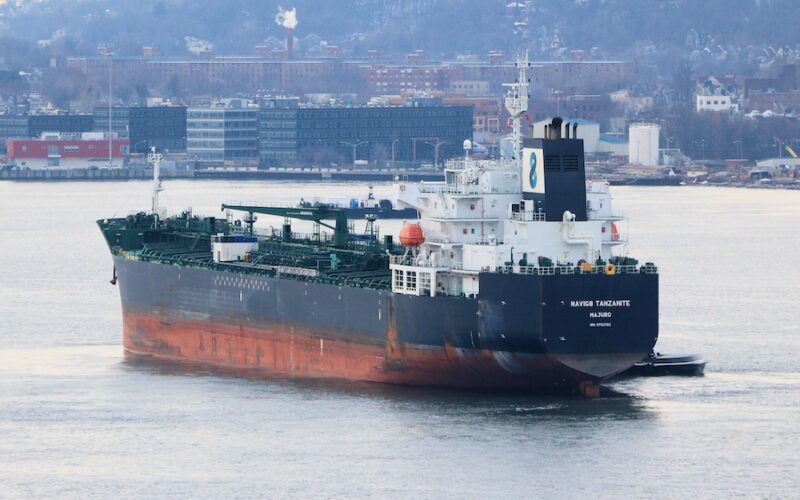
Chevron Corporation has ramped up its imports of Venezuelan crude oil, currently averaging 250,000 barrels per day into the United States. This surge aligns with the warming relations between the U.S. and Venezuela, heightened by global oil concerns stemming from ongoing conflicts, particularly in Iran.
Company representatives, including Andy Walz, Chevron’s president of downstream, midstream, and chemicals, confirmed this increase during an interview with the BBC. The crude oil is primarily processed at refineries along the U.S. Gulf Coast, notably at Chevron’s facility in Pascagoula, Mississippi, where it gets transformed into essential products like gasoline, diesel, and jet fuel.
Potential for Increased Imports
Chevron has signaled a further increase in imports, potentially reaching 350,000 to 400,000 barrels per day, contingent on operational capacity and necessary authorizations.
This uptick is made possible through Chevron’s longstanding collaborations with Venezuela’s national oil company, Petróleos de Venezuela S.A. (PDVSA), with their joint ventures collectively producing around 240,000 to 250,000 barrels daily of heavy crude oil, ideally suited for U.S. refineries.
Recent Export Trends
In early 2026, U.S. imports from Venezuela increased sharply, jumping from about 99,000–100,000 barrels per day in December 2025 to over 220,000 barrels in January. This was facilitated by expanded licensing, and by March and April 2026, shipments stabilized around the current average of 250,000 barrels per day, as tanker data confirms regular deliveries.
Historically, Venezuela possesses some of the largest proven oil reserves globally, with the U.S. being one of its most significant customers. In the early 2000s, imports often exceeded 1 million barrels per day.
However, those figures plummeted during the administrations of Hugo Chavez and Nicolas Maduro, and the industry is still in recovery. By late 2025 and early 2026, Venezuela’s total oil production hovered around 800,000 to 1 million barrels per day, a drastic decline from the over 3 million barrels daily during the late 1990s.
Strengthening Bilateral Relations
The export dynamics reflect a broader trend of improved relations between the U.S. and Venezuela, particularly following the recent military operation that resulted in Maduro’s capture. With restored diplomatic ties, both nations are now committed to future economic and regional cooperation.
