
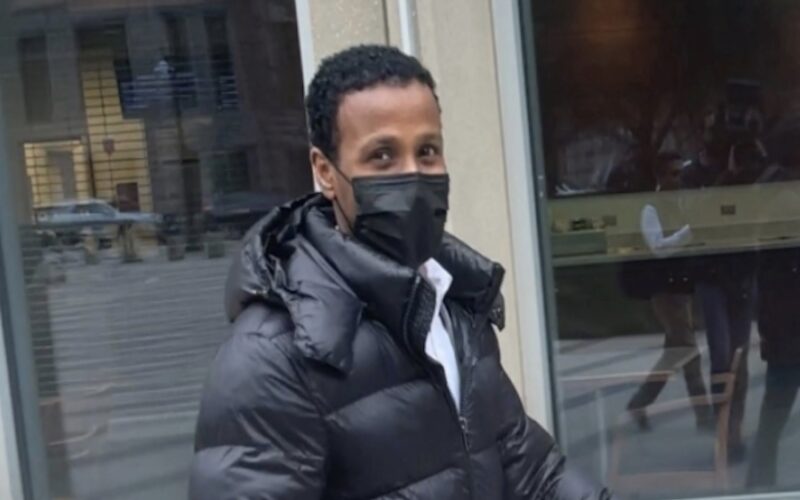
Abdul Abubakar Ali, a 40-year-old from St. Paul, Minnesota, was sentenced to just one year and one day in federal prison for his role in a fraudulent scheme linked to the nonprofit Feeding Our Future.
This sentence is a significant deviation from the federal sentencing guidelines, which recommended a term of 30 to 37 months.
Ali entered a guilty plea in October 2022 to a single count of conspiracy to commit wire fraud. As part of his plea agreement, two additional counts—conspiracy to commit money laundering and a separate count of wire fraud—were dismissed at sentencing.
According to court documents, Ali ran a shell organization called Youth Inventors Lab, which was enrolled in the federal Child Nutrition Program sponsored by Feeding Our Future. From December 2020 to June 2021, this nonprofit falsely claimed to have provided around 1.3 million meals to children in need.
Ali’s organization received over $3 million in federal reimbursements based on these fraudulent claims. However, prosecutors later confirmed that no meals were actually served. The scheme involved falsified invoices for food and services, including payments to a fake vendor, S & S Catering. Ali also recruited at least one accomplice and fabricated meal counts instead of merely inflating real numbers.
His plea indicated that Ali pocketed at least $129,000 from the fraud, including funds funneled through his company, Bilterms Solutions. As part of his plea deal, he agreed to repay $122,698, having already paid $90,000, according to court filings.
During sentencing, U.S. District Judge Nancy E. Brasel remarked that the fraud had “undermined public trust in government programs.” Ali expressed regret in court, stating he would be “sorry for the rest of his life,” according to a report from local media outlet KMSP.
JUST IN: “Feeding our Future” fraudster Abdul Abubakar Ali sentenced to ONLY 1 year and 1 day in prison.
Ali falsely claimed to have provided 1.3 MILLION meals and collected MILLIONS of dollars in reimbursement claims.
How is this justice?! pic.twitter.com/2iMgugsFd5
— Libs of TikTok (@libsoftiktok) March 30, 2026
This guilty plea is part of the broader Feeding Our Future scandal, which exploited federal child nutrition programs during the COVID-19 pandemic.
The Minnesota-based nonprofit was intended to help provide meals to disadvantaged children. Instead, federal prosecutors found that participants submitted claims for tens of millions of non-existent meals, leading to around $250 million in fraudulent claims.
These funds were misused for personal expenditures like real estate, travel, and luxury items. Currently, authorities have charged 78 individuals associated with this scheme and have secured convictions against 57 through guilty pleas or trial outcomes.
Investigations related to the Feeding Our Future case have unveiled fraud in various Minnesota public assistance programs, including Medicaid-funded services for children’s developmental needs. Prosecutors have reported instances of fraudulent billing for services that were never delivered, with overall potential losses across multiple programs reaching into the billions since 2018.
