

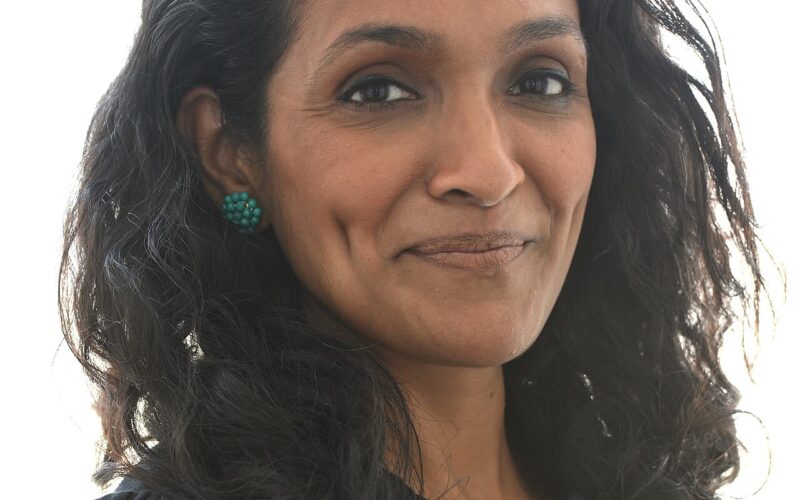
Los Angeles Mayor Karen Bass enters the June primary with a nominal lead, but recent polling indicates her support may not be as solid as it appears.
Bass has 25% backing, with City Councilmember Nithya Raman trailing at 17% and media figure Spencer Pratt at 14%. Notably, around a quarter of voters remain undecided, indicating the race’s unpredictability according to a poll by the UC Berkeley Institute of Governmental Studies.
However, the situation behind Bass’s lead raises red flags. The same poll shows a staggering 56% of likely voters view her unfavorably, with only 31% seeing her positively, a disparity that could be detrimental.
Political analyst Dan Schnur expressed serious concerns, stating, “That she’s having this much trouble against such a little-known field of opponents bodes very poorly for her,” calling the results “borderline catastrophic.”
Bass faces escalating criticism over critical issues, especially her response to the Palisades wildfire that occurred in January 2025. The disaster resulted in multiple fatalities and extensive property loss, and her initial absence overseas during the crisis has drawn scrutiny.
This fallout has intensified voter frustrations, particularly regarding ongoing homelessness and public safety issues. While Bass promotes her “Inside Safe” initiative aimed at sheltering the unhoused, detractors argue the progress has been slow, with many homeless encampments remaining visible.
Crime remains a hot topic as well. Polling indicates that 39% of voters advocate for expanding the Los Angeles Police Department, while 29% prefer to maintain current staffing levels. Bass has aligned herself with calls for increased police hiring, which could be a strategic move for her if she makes it to a runoff.
Despite these challenges, Bass enjoys one notable advantage: a fragmented field of challengers. Many notable figures, such as developer Rick Caruso and L.A. County Supervisor Lindsey Horvath, chose not to participate. Their absence may be beneficial for Bass, leaving less recognized candidates in the race.
This reality reflects the polling trends, where over half of voters feel unfamiliar with Raman and other contenders. Raman currently has a favorability rating of 26% to 23%, but her main hurdle will be gaining visibility among a broader electorate.
As the primary approaches, the dynamic between Raman and Pratt could play a crucial role. If no candidate secures over 50% of the vote, a November runoff between the top two could set the stage for a much tighter race.
Demographic insights from the poll suggest evolving voter preferences, with Bass retaining strong appeal among Black voters, while Raman notably connects with Asian and Pacific Islander demographics. Younger voters appear open to alternative choices, while Bass resonates more with older constituents.
Overall, voters remain focused on priorities such as affordable housing, infrastructure, and homelessness. While Bass’s campaign highlights recent achievements regarding crime and homelessness, the perception of her leadership could shift with over half the electorate viewing her negatively, presenting an uncertain road ahead.
While she currently holds the lead, the polling numbers indicate a city looking for change.
